What is infected blood compensation and what does it mean for the 2026 IHT? In this article, we’re going to explain this matter in detail. So, let’s begin this journey together!
Read our complete guide on contesting a will for lack of capacity.
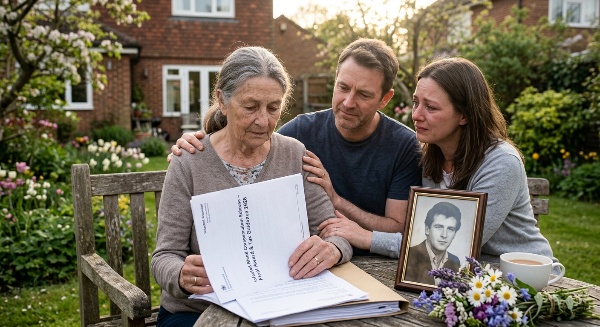
The 2026 Step Toward Fairness
Years of pain sparked by tainted blood treatments still echo through lives torn apart. Early in 2026, a shift came – not loud, but deep when tax authorities clarified how payouts would count under inheritance rules. Money meant for those harmed, along with kin who lost someone, won’t feed into estate taxes. Because fairness mattered more than formulas, officials made sure relief stayed whole. What began as medical harm met a quiet correction: funds stay where they belong.
The Legal Basis Statutory Exemptions
Most people think such payouts depend on goodwill. Yet the rules actually come from clear legal updates tied to 2026 taxes. Money sitting in someone’s account when they die usually faces a 40% charge, so long as their estate goes past £325,000. Still, thanks to fresh regulations around infected blood compensation, certain sums now fall outside standard inheritance rules.
These particular funds count as excluded assets – even if everything else adds up fast. Full reduction applies straightaway, no matter how large the overall estate turns out.
Support for Grieving Partners and Inherited Property
Some who suffered because of the scandal died before they could get any money under the full plan. When this happens, the payout goes to someone handling their affairs after death. According to rules released in 2026, even when such funds go to an estate and might usually count as taxable income, the part meant as reparation gets removed from tax consideration. That stops a strange outcome: government taking back nearly half through taxes right after giving it out.
Engaging the Nil Rate Band
What stands out in the May 2026 rules is how such payments leave the dead person’s tax-free allowance untouched. Take someone whose estate is valued at £325,000 – already within the threshold – who also gets a £100,000 payout; none of it triggers inheritance tax. Instead, that extra sum slips in alongside, shielded by what officials call an “extra-statutory layer.”
This means it avoids counting toward normal limits altogether. Protection just folds around it, separate from the usual system.
Backdated Estate Claims After Settlement
Now comes news about changes set for 2026 – backdated help will reach certain households. Those getting temporary payouts or advance settlements from 2022 through 2025 might have sent too much tax; repayment could follow. Because confusion marked the start of earlier rules, officials admit errors occurred. A special team at HMRC handles claims called Redress Tax Refunds, sorting cases where taxes hit harder than fair.
How Care Costs Affect Financial Assessments
One step past IHT, the 2026 rules make clear these payouts won’t count when checking eligibility for Social Care support. For a partner left behind needing ongoing care, that detail matters more than it sounds. Before, getting a lump sum from compensation might have blocked access to government-backed help.
Now, thanks to what’s called “Ring-Fencing,” that money stays set apart – meant for the family, not touched by assessments.
What Executors Need to Document
Most times, those handling an estate will come across payments tied to infected blood. Noting them properly on Form IHT400 isn’t optional – it’s required. A detail often missed? The exact reference number issued by the Infected Blood Compensation Authority.
Since 2026, that number has had to appear clearly. Without it, systems flag returns automatically. Sorting out such errors later means extra steps for the estate team.
The “Trust” Advantage
Most folks getting big payouts will find help in the 2026 rules when it comes to handling money stored in Personal Injury Trusts. Though cash might shift from a regular savings spot into a trust setup, its exemption from inheritance tax stays locked in. Because of that, families can work with experts on managing the sum while keeping the same tax shield meant for the initial award.
Comparing Different Pay Systems
One morning in 2026, a quiet shift happened. Though payouts tied to the Post Office Horizon errors carry certain safeguards, they feel narrower by comparison. What stands apart is how widely the infected blood policy reaches – stretching beyond those first harmed. When struggle follows children of recipients, under tight conditions, support can pass forward. Unlike earlier frameworks, this one plans ahead, folding future need into its design.
Legal and tax guidance
Because certain 2026 redress payments may top £1 million – especially when double infection led to lost income – skilled guidance matters. Legal experts and financial planners now check Wills for impacted households so the compensation, though free from tax, doesn’t unintentionally expose property like a main residence. Only careful planning keeps everything balanced.
Let’s Do This Together
Contesting a will could become an overwhelming experience if not accompanied by expert guidance and support. Our mission is to provide you with all the needed information, support, and authority to get through this journey, with only one goal in mind: Fairness.
To our team, this process is not about winning; it’s about claiming what was yours from the beginning.
Get your free, no-obligation case assessment. Call 08002980029 or visit contestawilltoday.com
Check our No Win, No Fee service.
FAQs
1. Is the IHT relief limited to a certain amount of compensation?
Most folks wonder if there’s a cap on the tax break. Actually, none at all. Come 2026, rules stay firm – no ceiling applies. Picture fifty thousand pounds landing in your account.
Maybe two million arrives instead. Doesn’t matter either way. Every penny stays clear of Inheritance Tax. Key point – it must come straight from the Infected Blood Compensation Authority. Paper trail needed.
2. Does this apply to interim payments made before the final scheme?
Sure thing applies to payouts handed out ahead of the last deal. Every bit counts – right from that first hundred grand people got early, plus anything added later – all treated same under tax-free rule. Money already taxed back then? That might come back now.
3. What happens if I use the compensation to buy a house?
Should you spend the payout on property, things get tricky. Even though the money itself avoids inheritance tax, shifting it into something such as land or buildings might bring regular tax rules back into play when you pass away. By 2026, one smart move could be storing those funds separately, maybe even inside a trust. Clear records help prove where the cash came from – keeping its protected status intact.
Meet Our Founder
With over 30 years of experience across civil litigation and dispute resolution, DS Bal brings a deep, broad understanding of the legal process to every case. His background spans complex disputes involving individuals, families, and estates. LinkedIn