Are you curious to learn what the new rules for banking protocol are? Read the below guide and equip yourself with knowledge!
Read our complete guide on contesting a will for lack of capacity.
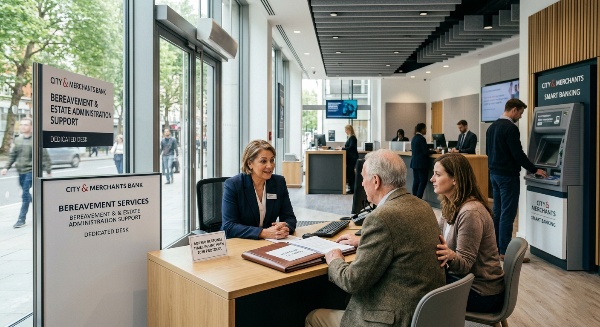
A New Industry Benchmark by 2026
Fourteen years on, a fresh version of the Banking Protocol lands in 2026, aligning finance practices with today’s estate handling demands. Out from UK Finance, this update holds no legal force yet functions as a shared rulebook across banks and building societies. Efficiency and dignity guide its core purpose – streamlining bank dealings with those managing wills, settlements, and death-related paperwork. Though not enforced by statute, adherence shapes smoother outcomes when closing accounts and transferring assets.
Changes to the 2012 Version Over Time
Back in 2012, rules were made before digital banking took hold. Lately, handling estates has grown tougher – each bank asks for different papers, forms go missing, then silence drags on while money sits locked. That waiting game? It often lasts weeks with no word. Now, under the new 2026 version, systems finally catch up, built for how people actually manage money today: online, fast, clear.
Clearer Asset Disclosure Timelines
Now, banks must respond faster when someone dies. Following the 2026 Protocol, they have between ten and fourteen workdays to confirm receipt and send details on what the person owned and owed. Because of that timing, those handling the estate can fill out the IHT400 or IHT205 correctly. Fewer errors mean less chance of fines from HMRC over missed deadlines or wrong information.
Streamlined Documentation Requirements
Back then, each bank kept its own unique checklist, usually asking for paper versions of the Grant of Probate even if a scanned copy worked just as well. Starting in 2026, a new agreement pushes banks to recognize digital proof instead, while also setting one clear value cutoff for small estates – simplifying things for relatives handling modest accounts without needing costly legal steps.
Better Communication for Personal Representatives
Most people handling estates have never done it before. Now banks must assign someone specific to help after a death. Not just any agent, but one who understands what needs to happen legally. Talking to regular support can feel confusing and cold. Having a single point of contact makes things less overwhelming. These specialists know how paperwork moves, where delays pop up. They guide without rushing. Procedures still take time, yet knowing who to call changes everything.
Effects on Professionals Handling Estate Settlements
Nowhere else has seen such clear gains for solicitors and probate teams than in daily operations. A steady structure means timeframes for gathering assets land closer to reality – clients hear numbers they can rely on. When banks drag feet beyond set norms, a complaint letter stands ready, backed by agreement across the field. Stuck matters find motion because professionals hold something solid to point to.
Digital Assets and Online Accounts
Now shaping up for 2026, the rules offer clearer steps for handling online-only banks and digital money services. Because these accounts lack brick-and-mortar branches, executors get specific directions on pulling statement records – so balances stored only in digital form still count when figuring estate value.
Urgent Expense Payments
One way to handle things: the 2026 rules let banks pay out money early – funeral bills, inheritance tax – even without probate approval yet. Families get relief fast, avoiding costly short-term loans just to keep up. What happens? Executors aren’t stuck scrambling for cash when time matters most.
Security and fraud prevention
Speed matters, yet security gets equal weight under the protocol. As AI-powered scams climbed through 2026, stronger checks emerged – banks now follow stricter rules to confirm an executor’s identity. Quick handling stays important, but guarding a dead person’s estate from takeover attempts comes first
Estate Planning and the Future
Now imagine sorting through someone’s life after they’re gone. That task gets easier when a Will points directly to bank accounts and what belongs to whom. Think about it – executors work faster under the 2026 Protocol if directions are clear. Over time, money matters have tangled into something harder to follow. Yet here comes a shared plan, finally, between bankers and lawyers. This shift? It quietly makes grief a little less heavy.
Let’s Do This Together
Contesting a will could become an overwhelming experience if not accompanied by expert guidance and support. Our mission is to provide you with all the needed information, support, and authority to get through this journey, with only one goal in mind: Fairness.
To our team, this process is not about winning; it’s about claiming what was yours from the beginning.
Get your free, no-obligation case assessment. Call 08002980029 or visit contestawilltoday.com
Check our No Win, No Fee and Contentious Probate services.
FAQs
1. Is every bank forced to follow the 2026 Protocol?
Not all banks must obey the 2026 Protocol, yet most do. Though labeled voluntary, it carries weight because UK Finance backs it. That group speaks for nearly every big bank and building society across Britain. Since leading high-street names agreed to take part, everyone else tends to follow along.
2. Does the protocol apply to estates in Scotland or Northern Ireland?
Most big banks stick to similar rules everywhere in the UK, even if guidelines only mention England and Wales. Procedures detailed right now are meant for England and Wales alone. Could your situation involve Scotland or Northern Ireland? Banks often treat those areas the same way behind the scenes, just to keep things smooth when someone has passed away.
3. What can I do if a bank ignores the protocol timelines?
Start by mentioning the 2026 Estate Administration Banking Protocol when writing to the bank’s bereavement department. When there’s no response within expected timeframes, move forward using their official complaint process instead. Should that path stall too, take it further – reach out to the Financial Ombudsman Service without delay.
Meet Our Founder
With over 30 years of experience across civil litigation and dispute resolution, DS Bal brings a deep, broad understanding of the legal process to every case. His background spans complex disputes involving individuals, families, and estates. LinkedIn