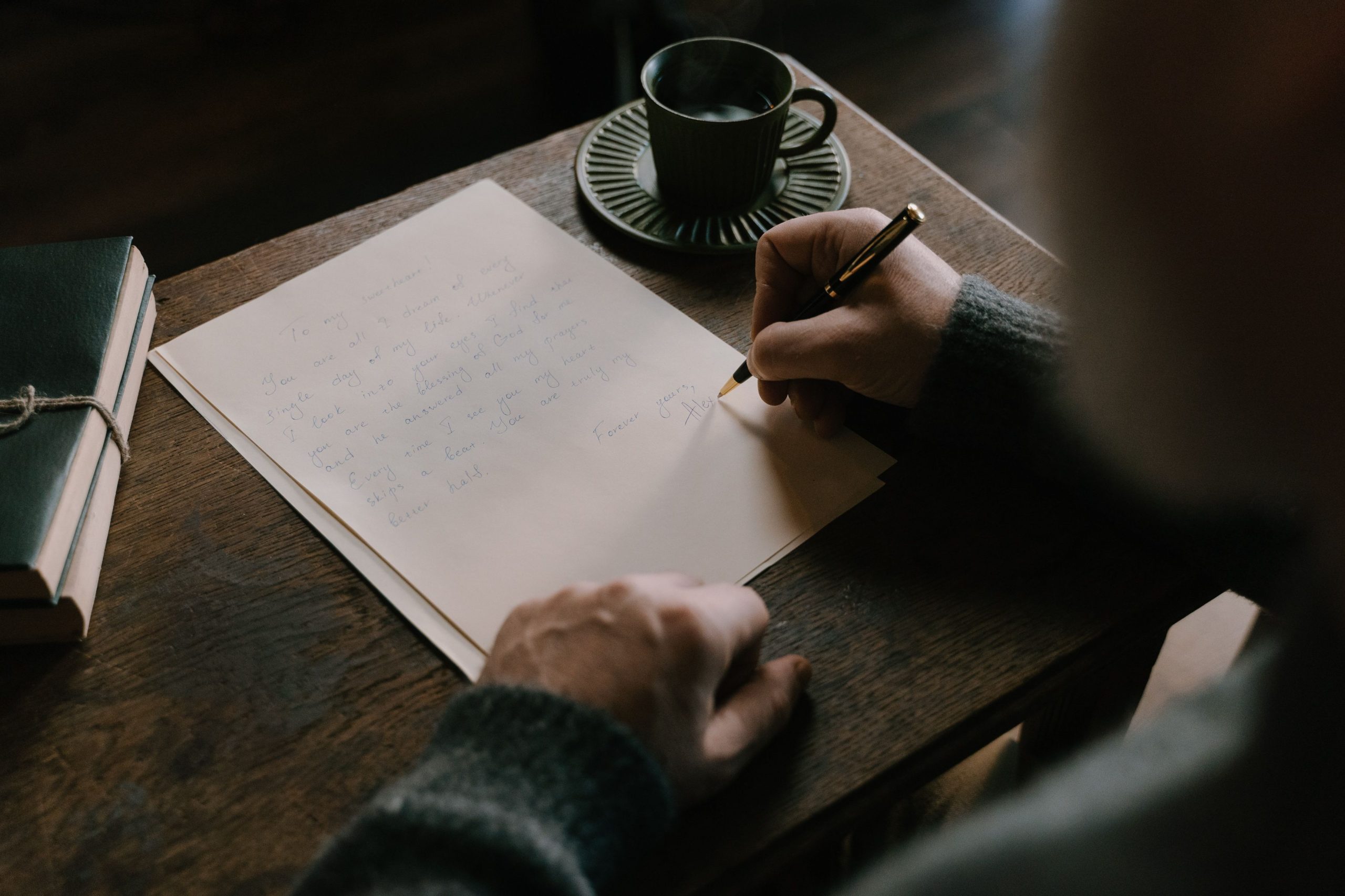
If you believe you still need a piece of paper, and a pen to write your will, think again! In 2026, electronic signatures are are officially acknowledged. To learn more, let’s dive into the topic below!
Read our complete guide on contesting a will for lack of capacity.
Breaking the 1837 Barrier
Close to two hundred years ago, handwritten signatures on paper became law for Wills under rules from 1837. Now, by 2026, Britain begins leaving behind those strict pen-and-paper limits. Instead of requiring physical presence, updates reflect how lives now unfold online. Matching legal steps to current habits opens paths shaped by today’s routines. Paper fades as screens hold weight in shaping what comes after.
The Legal Status of Electronic Signatures
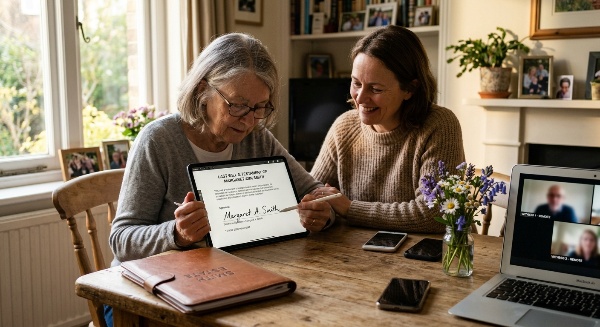
Now set in stone for 2026, e-signatures gain full legal standing. Backed by emergency rules from earlier years, they’ll now stay – wills can be signed online through protected systems. Getting documents witnessed won’t require crowded rooms anymore; distance matters less when screens connect people. Anyone far away or stuck at home finds it easier, so long as checks are tight enough to block scams.
Remote Witnessing Here To Stay
Now, showing up in person isn’t what it used to be – being seen on screen counts instead. In 2026, people watching a Will get signed won’t need to stand in the same building; clear video works fine. The shift comes because digital tools have caught up, making remote viewing trustworthy when done right. Seeing someone live through glass and light feels almost like standing nearby – if their face checks out and nothing gets lost later. Recording every moment helps keep things fair if questions come up down the road.
Digital Wills and Paperless Probate
One day soon, Wills will live only online. Not in folders or drawers – they’ll sit inside protected digital spaces. When someone passes, access opens just enough for those named to step in. Proof comes first, then entry follows. No more searching through boxes wondering if it’s the last draft. The latest form shows up without delay. Courts get what they need faster than before. Paper fades out completely by then.
Courts Taking On Broader Judicial Authority
Now courts can honour last wishes even without perfect paperwork. A message recorded on a phone might count just like paper ones did before. When someone clearly says what they want – maybe in an email never sent – the system adjusts instead of rejecting. Picture a shaky video filmed at home being treated seriously by judges. Intent matters more than ink now, so people won’t be punished for skipping steps. If meaning shows plainly, the law bends toward fairness rather than rules alone.
Keeping Safe Those Who Need Help in Today’s Online World
Pressure grows alongside digital convenience. Some people question the 2026 changes, worried outside forces might sway decisions. Imagine someone signing a Will online – how do we know they are acting freely if no lawyer is present? To help, the updated system requires stronger digital records.
For big or complex cases, recording a short video in which the person explains their choices could be part of the process. That moment on camera may show whether they truly understand what they’re doing.
Reducing the Minimum Age for Making Wills
Because discussions about legal updates continue into 2026, some now suggest allowing 16-year-olds to write Wills instead of waiting until 18. Life today shows teens at that age often hold jobs, build small savings, even face serious choices – so giving them control makes sense. If something goes wrong, they could decide what happens to online accounts and money without delay. Their voice matters just as much.
The Golden Rule in Today’s Digital World
Still, even with today’s technology, old principles hold strong. The idea that someone must grasp what they’re doing when making a will hasn’t changed. Now, instead of only face-to-face talks, lawyers might pull up software powered by artificial intelligence to check understanding. These tools help record whether a person knows who would expect a share, yet got left out.
Yet courts still look back at moments of signing. If thinking was clouded, then the whole thing could unravel later. Digital ink doesn’t erase human frailty.
Undoing Actions and Unintended Digital Edits
Most times, back in 1837, ripping up a Will ended its power. By 2026, what counts as destruction needed fresh thinking. Erasing a document may fail to cancel a Will when copies survive elsewhere. Now, rules explain step-by-step how ending a digital Will works properly. This stops a stray tap from waking up an outdated plan by mistake.
Changing How You Manage Your Estate
Old paper wills hold their weight. Still good when untouched. Reforms rolling in 2026 won’t scrap them – far from it – they simply open doors. Some now pair those pages with a recorded message, blending ink and pixels. Call it a hybrid setup: one foot in tradition, the other stepping forward. Courts may lean on such proof down the line. Clarity like that tends to quiet disputes before they start.
Let’s Do This Together
Contesting a will could become an overwhelming experience if not accompanied by expert guidance and support. Our mission is to provide you with all the needed information, support, and authority to get through this journey, with only one goal in mind: Fairness.
To our team, this process is not about winning; it’s about claiming what was yours from the beginning.
Get your free, no-obligation case assessment. Call 08002980029 or visit contestawilltoday.com
Learn more about our No Win, No Fee, and Contentious Probate services.
FAQs
1. Is a text message or an email now a valid Will?
Just about never. Though courts gained power by 2026 to accept loose records, showing the real intent behind that exact note remains essential. Better off sticking with proper online signing steps.
2. How do I stop someone from “hacking” my digital Will?
Stopping someone from tampering with your digital Will isn’t about locks or passwords alone. Think of it more like a fortress built on blockchain – or tucked inside encrypted storage managed by official services. These setups make changes nearly impossible without detection.
Unlike old-fashioned paper versions, which might vanish or get changed by hand, the digital kind resists meddling. A handwritten edit won’t work here. What you see is what stays – unless proper access steps happen first.
3. Do I still need a solicitor if I can make a digital Will myself?
Maybe you can type up a Will online by 2026. Still, laws about who gets what stay the same – just how you sign shifts slightly. Getting legal help means fewer taxes down the road. It also cuts the chances that someone will challenge your wishes later. Words matter in court; a trained eye checks that they hold up.
Meet Our Founder
With over 30 years of experience across civil litigation and dispute resolution, DS Bal brings a deep, broad understanding of the legal process to every case. His background spans complex disputes involving individuals, families, and estates. LinkedIn