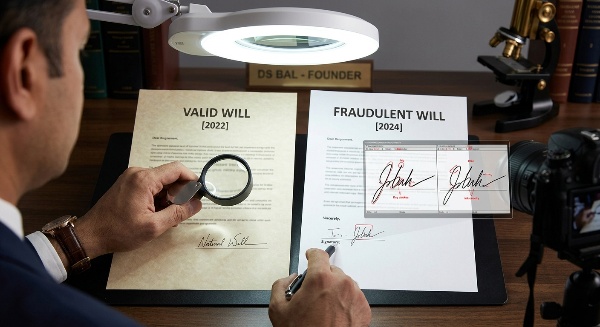
When a family dispute over a Will begins, the primary weapon used to freeze progress is the Caveat. While a Caveat successfully stops a Grant of Probate from being issued, it can often lead to a “probate stalemate” where an estate sits in limbo for months or years. In 2025, the procedure to break this deadlock, known as “Warning off”, has become a high-stakes legal chess match. This article explores the strict 14-day deadlines of Warnings and Appearances and how to resolve a “Stop Notice” that is holding your inheritance hostage.
The “Pause Button”: Understanding the Caveat
A Caveat is a formal notice lodged at the Probate Registry that prevents a Grant of Probate from being issued. It is essentially a “Stop Notice” that lasts for six months and can be renewed indefinitely.
Under the Administration of Estates Act 1925 (Section 25), executors have a legal duty to administer the estate, but a caveat effectively strips them of this power until the dispute is resolved.
- Why they are used: Usually to investigate a Will’s validity, capacity issues, or to stop a “hostile” executor from taking control.
- The Problem: Once a Caveat is in place, the estate cannot be sold, debts cannot be paid, and beneficiaries receive nothing.
Breaking the Deadlock: The “Warning”
If you are the Executor and you believe a Caveat has been entered unfairly or simply to cause delay, you can issue a Warning (Form 4) through the Leeds District Probate Registry.
- The Notice: The Warning formally “calls out” the caveator, demanding they justify why the probate should remain stopped.
- The 14-Day Clock: Once the Warning is served, the caveator has exactly 14 days (including weekends) to respond.
The Response: The “Appearance”
To keep the “Stop Notice” alive, the caveator must enter an Appearance (Form 5).
- Contrary Interest: The caveator must state their “contrary interest”, essentially their legal right to a different outcome (e.g., “I am a beneficiary under a different Will”).
- Making it Permanent: If an Appearance is entered, the Caveat becomes permanent. It can then only be removed by a court order or if both parties reach a formal agreement.
The Risk of Silence
If the caveator fails to respond to the Warning within 14 days, the Executor can file an Affidavit of Service. The Registry will then remove the Caveat, allowing probate to proceed immediately.
Expert Tip: Entering a Caveat or an Appearance without a genuine legal basis can lead to heavy cost penalties. If the court decides you acted “frivolously” to delay an estate, you may be ordered to pay the other side’s legal fees.
Read our guide to understand the difference between a caveat and a claim: Immediate Action: The Crucial Difference Between a Caveat and a Claim (and Why Time is NOT Your Friend)
Let’s Do This Together
Contesting a will could become an overwhelming experience if not accompanied by expert guidance and support. Our mission is to provide you with all the needed information, support, and authority to get through this journey, with only one goal in mind: Fairness.
To our team, this process is not about winning; it’s about claiming what was yours from the beginning.
Get your free, no-obligation case assessment. Call 08002980029 or visit contestawilltoday.com
FAQs
1. Can I enter a caveat if I am only owed money by the deceased?
No. A caveat is for challenging the validity of the Will or the suitability of the Executor. If you are a creditor (someone the deceased owed money to), a caveat is not the correct tool. Instead, you should lodge a claim against the estate and, if necessary, enter a Section 27 Notice or a standing search to ensure you are notified when probate is granted so you can collect your debt.
2: What happens if I miss the 14-day deadline to enter an Appearance?
If the 14 days pass and you haven’t responded to the Warning, the Executor can file an “Affidavit of Service.” The Probate Registry will then remove your caveat “by default.” Once removed, the Executor is free to obtain the Grant of Probate. It is extremely difficult to re-enter a caveat after being “warned off,” so missing this deadline usually means losing your chance to stop the estate’s administration.
3: Does entering an Appearance mean I am automatically going to court?
Not immediately, but it makes the dispute “contentious.” Once an Appearance is entered, the caveat becomes permanent and the Probate Registry will no longer handle the removal. To get the caveat removed, the parties must either reach a settlement (a “Consent Order”) or one party must start a formal legal claim in the High Court. It is the point where legal costs begin to escalate significantly.