How to Remove an Executor: A 2026 Guide for Beneficiaries

contact

For a free initial conversation call

0800 29 800 29

In 2026, the primary mechanism to remove an executor after a Grant of Probate is an application to the High Court under Section 50 of the Administration of Justice Act 1985. The court’s overriding objective is the proper administration of the estate. You do not necessarily need to prove “fraud”; proving that the estate is “ground to a halt” due to a breakdown in communication or unreasonable delay is often sufficient. Following recent 2025 precedents like Fernandez v Fernandez, the “threshold for removal” has lowered significantly where family hostility makes the executor’s role unworkable.

remove an executor


CAWT is an independent service that connects you with a pre-vetted, specialist solicitor who is the perfect fit for your case. Our clients are our priority, and each case is handled with the unique approach it deserves.

Our no-win, no-fee assessment of your case guarantees that you have a smooth and stress-free process without any financial burden.

This is the simplest and least expensive route, but it is only available before the executor has taken any active steps to manage the estate.

  • The Mechanism: The executor signs Form PA15 (Deed of Renunciation). Once filed at the Probate Registry, their rights to act are permanently cancelled.
  • The “Intermeddling” Trap: In 2026, the courts are very strict about “intermeddling.” If an executor has already started “dealing” with the estate, such as paying a debt, moving assets, or even just notifying a utility company of the death—they are legally deemed to have accepted the role. At this point, they cannot renounce and must be formally removed by a court.
  • Strategy: If an executor is reluctant to act, we push for immediate renunciation before they accidentally “intermeddle” and lock themselves into the role.

If the executor refuses to renounce but is clearly unsuitable, we can apply to the High Court to “pass them over” under Section 116 of the Senior Courts Act 1981.

  • The Standard: You must prove that “special circumstances” exist that make it “necessary or expedient” to appoint someone else.
  • 2026 Use Cases: This is the preferred path when the executor is missing, has lost mental capacity, or has a blatant conflict of interest that hasn’t yet caused damage but makes their future appointment “unworkable.”
  • The Advantage: It prevents the problematic executor from ever getting their hands on the “Grant of Probate,” protecting the estate assets before they can be mismanaged.

This is the “Elite” legal maneuver used when an executor has already obtained the Grant of Probate and is now causing harm. It is a formal claim under Section 50 of the Administration of Justice Act 1985.

  • The “Overriding Objective”: In 2026, the court’s focus has shifted. It is no longer about finding “fault” or “blame.” Instead, the court asks: “Is the estate being properly and efficiently administered for the beneficiaries?”
  • The Hostility Rule: Following the 2025 precedent in Fernandez v Fernandez, if there is a total breakdown in communication between the executor and beneficiaries that makes administration “unworkable,” the court will remove the executor even if no money has been stolen.
  • The Outcome: The court will appoint a Substitute Personal Representative, often an independent professional solicitor, to take over the reins and finalize the estate.
FeaturePath A: RenunciationPath B: Passing OverPath C: Section 50 Removal
Probate StageBefore any work startsBefore the Grant is issuedAfter the Grant is issued
Legal BasisForm PA15Section 116 SCA 1981Section 50 AJA 1985
DifficultyLow (Administrative)Medium (Court Application)High (High Court Claim)
Cost RiskMinimalMediumHigh (Adverse Costs)
Best ForCooperative executorsIncompetent executorsHostile/Dishonest executors

The court exercises its power under Section 50 of the Administration of Justice Act 1985. In 2026, the grounds are categorized into four “Elite” triggers:

An executor can be removed if they are actively damaging the estate’s value. In 2026, this includes:

  • Self-Dealing: Buying estate property (like the family home) for themselves at an undervalue without the informed consent of all beneficiaries.
  • Asset Misappropriation: Using estate funds for personal expenses or commingling estate money with their personal bank accounts.
  • Digital Negligence: Failing to secure the deceased’s digital assets (crypto-wallets, NFTs, or online business accounts), leading to a loss of value.

While the “Executor’s Year” (the traditional 12-month grace period) still exists, the 2026 courts are increasingly impatient with “deadlock.”

  • The House v Helme Precedent: In February 2026, the court removed executors who had presided over an 8-year delay, ruling that their failure to market a farm property was “extraordinary” and unjustified.
  • Failure to Account: If an executor ignores repeated requests for an Inventory and Account (a detailed list of what the estate owns and what has been spent), the court sees this as a major “red flag” for removal.

An executor must act impartially. Removal is likely if:

  • The executor is involved in a separate legal battle against the estate.
  • They are favoring one group of beneficiaries (e.g., their own children) over another.
  • Professional Conflict: As seen in House v Helme, if the executor’s own solicitor is acting for both the “buyer” and the “seller” of an estate asset, the conflict is deemed “untenable.”

This is the most common 2026 ground. You do not have to prove the executor is a “villain”, only that they cannot work with the beneficiaries.

  • The Fernandez Rule: If hostility has reached a point where the executor refuses to answer emails or phone calls, the administration is “unworkable.”
  • The Outcome: The court will prioritize the proper administration of the Will over the testator’s original choice of executor.

A critical change in 2026 is the court’s approach to legal costs. In the past, executors often used the estate’s money to defend themselves against removal.

Note: Following House v Helme [2026], if an executor is removed for misconduct or for “unreasonably” resisting their removal, the court will likely order them to pay Indemnity Costs personally. They will not be allowed to take a single penny from the inheritance to cover their legal defense.

To win your Section 50 claim, we need to build an “Evidential Audit Trail”:

  1. Written Correspondence: Proof of ignored emails or unanswered “Letters of Claim.”
  2. Valuation Reports: Evidence that the executor is trying to sell assets for less than they are worth.
  3. HMRC Penalties: Any letters from HMRC showing that the executor has missed tax deadlines, causing the estate to lose money.
  4. Medical/Police Records: If the ground is “Incapacity” (dementia) or “Disqualification” (criminal conviction for a crime of dishonesty).

The House v Helme case from just last month (February 2026) is your strongest weapon. It proves that the “wait and see” approach is over. If the executors are stalling, we use this case to show the court that “enough is enough.”

The first step in any 2026 dispute is to halt the administration of the estate. You do this by entering a Caveat.

  • The “Stop” Button: A caveat prevents the Probate Registry from issuing a Grant of Probate. This means the executors cannot legally move, sell, or distribute the deceased’s assets.
  • The 2026 Duration: A caveat lasts for six months. In 2026, the fee is still a nominal £3, but you must renew it in the final month before it expires using Form PA8B.
  • Digital Entry: Most caveats are now filed via the HMCTS Probate Portal. Once entered, the “stop” is active within 24 hours.

If the executors believe your challenge is groundless, they will “Warn” your caveat.

  1. The Warning: The executor issues a Warning (Form 4 or PA8A equivalent), which is served on you. It basically says, “State your interest or step aside.”
  2. The 14-Day Deadline: You have exactly 14 days (including weekends) to respond. In 2026, missing this deadline is often fatal to your caveat.
  3. The Appearance: To keep the caveat alive, you must file an Appearance. This is a formal document (not a physical court visit) stating your contrary interest. Once filed, the caveat becomes permanent, and can only be removed by a Judge’s order or the mutual consent of all parties.

Before a judge will hear your case in 2026, you must follow the Pre-Action Protocol for Contentious Probate.

  • Mandatory Mediation: Under the Civil Procedure (Amendment) Rules 2026 (effective April 6, 2026), parties are expected to engage in mediation. If you refuse an offer to mediate without a “compelling reason,” the court may strike out your claim or penalize you on costs.
  • Larke v Nugus Letters: This is our primary investigative tool. We send a formal request to the solicitor who drafted the Will, demanding their full file and a statement regarding the circumstances of the Will’s signing.

If mediation fails, we “Issue” the claim in the Chancery Division of the High Court.

  • The Claim Form: Depending on the dispute (Validity vs. Inheritance Act), we use CPR Part 7 (for complex trials) or CPR Part 8 (for simpler legal questions).
  • Digital Case Management: In 2026, all probate claims are managed through the CE-File system. This ensures that “Digital Audit Trails” for electronic Wills (legalized under the Wills Bill 2025) are preserved.

While most 2026 cases settle, a full trial is the final stop.

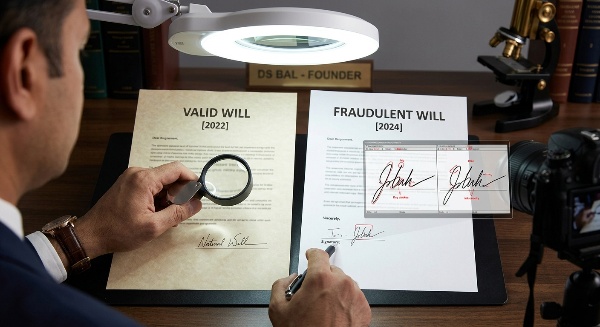
  • Expert Testimony: We use medical experts (for capacity) and forensic handwriting experts (for forgery).
  • The Ruling: The Judge will either “Pronounce for” the Will (it stands) or “Pronounce against” it (it is thrown out). If thrown out, the estate follows the rules of Intestacy or an earlier, valid Will.

Removing an executor is often the first step in a wider strategy to contest a Will based on lack of capacity or undue influence.

Step2026 RequirementWhy It Matters
Caveat Fee£3 (Digital or Post)Immediate freeze on assets.
Warning Response14 DaysFailure = Caveat removed.
MediationPresumed MandatoryRefusal leads to cost penalties.
6-Month RuleStrictly EnforcedPost-Grant claims (1975 Act) have no leeway.

Procedure is where most people lose their cases before they even start. By using the HMCTS Portal and the CE-File system correctly, we ensure your evidence is locked in before the executor has a chance to sell the “disputed property.”

The Short Answer: Only if the executor agrees to leave.

In 2026, there are two “non-court” ways to change an executor, but both require their cooperation:

  • Renunciation: If the executor hasn’t started any work (intermeddling), they can sign Form PA15 to step down.
  • Consent Orders: If they have already started acting but realize they are out of their depth, we can draft a Consent Order. This is a formal agreement where they agree to be replaced by a professional. It still requires a judge to “seal” it, but it avoids a hostile, expensive trial.

Warning: You cannot simply “vote” an executor out. Even if 100% of beneficiaries want them gone, if the executor refuses to budge, you must use a Section 50 High Court application.

The Short Answer: It depends on their “hostility.”

  • Uncontested Removal: If the executor agrees to be replaced, costs typically range from £2,500 to £5,000 plus VAT and court fees.
  • Contested (Hostile) Removal: If the executor fights the application, costs can escalate to £15,000–£40,000+.
  • The “Personal Liability” Factor: In 2026, the landmark case of House v Helme changed the game. If an executor unreasonably defends a removal claim, the court will often order them to pay the legal bills personally. They are no longer allowed to use the estate’s “pot” to fund their defense, which is a massive win for beneficiaries.

The Short Answer: 6 to 12 months for a full trial, but much faster for “emergencies.”

  • Standard High Court Claim: Due to the 2026 court backlogs, a contested Section 50 claim usually takes 9–12 months to reach a final hearing.
  • Mediation Fast-Track: Under the 2026 ADR mandate, most cases are pushed to mediation within 3–4 months. This is where 90% of our removals are settled.
  • Emergency Injunctions: If an executor is actively stealing money or about to sell a house against your wishes, we can obtain an Interim Injunction in as little as 24–48 hours to freeze their powers until the full hearing.

Let’s Do This Together

Contesting a will could become an overwhelming experience if not accompanied by expert guidance and support. Our mission is to provide you with all the needed information, support, and authority to get through this journey, with only one goal in mind: Fairness.

To our team, this process is not about winning; it’s about claiming what was yours from the beginning.

Check our full guide on how to contest a will in 2026, and arm yourself with the needed knowledge.

Get your free, no-obligation case assessment. Call 08002980029 or visit contestawilltoday.com

Concerned about the cost of a High Court application? Learn more about our No Win No Fee probate funding options for 2026.

Meet Our Founder

With over 30 years of experience across civil litigation and dispute resolution, DS Bal brings a deep, broad understanding of the legal process to every case. His background spans complex disputes involving individuals, families, and estates. LinkedIn

contact

For a free initial conversation call

0800 29 800 29

Frequently asked questions.

Disputes over wills can arise in several circumstances, including:

  • Testamentary capacity: The person who made the will (known as the testator) must have had the mental capacity to understand what they were doing and the consequences of their actions. This means that they must have been able to understand the nature and extent of their property, the people they were giving their property to, and the people they were excluded from their will.

  • Valid execution: The will must have been executed correctly under the law. This means it must be in writing, signed by the testator, and witnessed by two independent witnesses.

  • Undue influence: The testator must have made the will freely and without any pressure from others. The will may be invalid if someone was unduly influenced to make a will. Undue influence can occur when someone takes advantage of a testator’s vulnerability, such as if the testator is elderly, ill, or has a mental disability.

  • Fraud or forgery: If the will was forged or if someone fraudulently induced the testator to make the will, the will may be invalid.

Claims against a will must usually be made within six months of the grant of probate being issued. This is the legal document that gives the executor the authority to administer the estate. If a claim is not made within this time, it may be too late to challenge the will.

As such, executors often wait until this six-month period has expired before distributing the estate. This is to avoid having to distribute the estate and then having to take it back if a successful claim is made against the will.

Here are some examples of how these disputes can arise:

  • A family member may dispute a will if they believe that the testator did not have the mental capacity to make a will. For example, if the testator was suffering from dementia or Alzheimer’s disease at the time the will was made.

A family member may dispute a will if they believe that it was not executed correctly. For example, if the will is not signed by the testator or if it is not witnessed by two independent witnesses.

  • A family member may dispute a will if they believe that they were unduly influenced to make the will. For example, if a caregiver or another family member pressured the testator to make the will in their favour.

  • A family member may dispute a will if they believe that it was forged or if someone fraudulently induced the testator to make the will. For example, if someone forged the testator’s signature on the will or if someone lied to the testator about the contents of the will.

If you are thinking about disputing a will, it is important to seek legal advice as soon as possible. We can assess your case and advise you on your legal options.


Types of Trusts

Many different types of trusts can be set up, depending on your specific needs and goals. Some of the most common types of trusts include:
Bare Trusts: A bare trust is a simple type of trust in which the trustee holds the assets for the benefit of the beneficiary. The beneficiary is entitled to the income and capital of the trust as soon as they are old enough to receive them.

Interest in Possession Trusts: An interest in possession trust is a type of trust in which the beneficiary is entitled to the income from the trust immediately, but not to the capital until a later date. This type of trust is often used for minor beneficiaries or for beneficiaries who are not yet responsible enough to manage their own money.

Discretionary Trusts: A discretionary trust is a type of trust in which the trustee has the discretion to decide how and when to distribute the income and capital of the trust to the beneficiaries. This type of trust is often used for families with multiple beneficiaries or beneficiaries with special needs.

Accumulation Trusts: An accumulation trust is a type of trust in which the income from the trust is accumulated and not distributed to the beneficiaries until a later date. This type of trust is often used to save for a specific purpose, such as a child’s education or a retirement fund.

Mixed Trusts: A mixed trust is a type of trust that combines elements of different types of trusts. For example, a trust may be a discretionary trust for one beneficiary and an interest in possession trust for another beneficiary.

Settlor-Interested Trusts: A settlor-interested trust is a type of trust in which the settlor (the person who creates the trust) retains some interest in the trust assets. For example, the settlor may retain the right to receive income from the trust or to appoint the trustee.

Non-Resident Trusts: A non-resident trust is a type of trust that is created and governed by the laws of a country other than the country where the settlor or beneficiaries reside.
Which type of trust is right for you will depend on your specific needs and goals. It is important to consult with an estate planning attorney to discuss your options and choose the type of trust that is best for you.
Here are some examples of how different types of trusts can be used:
A bare trust can be used to hold assets for a minor child until they reach the age of majority.

An interest in possession trust can be used to provide income to a beneficiary who is not yet responsible enough to manage their own money.

A discretionary trust can be used to manage assets for a family with multiple beneficiaries or for beneficiaries with special needs.

An accumulation trust can be used to save for a specific purpose, such as a child’s education or a retirement fund.

A mixed trust can be used to achieve a variety of different goals, such as providing income to one beneficiary and preserving capital for another beneficiary.

A settlor-interested trust can be used to retain some control over trust assets after the settlor has created the trust.

A non-resident trust can be used to reduce estate taxes or to protect assets from creditors.
It is important to note that this is just a brief overview of the different types of trusts. There are many other types of trusts available, and each type of trust has its own specific features and benefits. For more information please visit www.gov.uk/trusts-taxes/types-of-trust

Inheritance trust disputes can be complex and varied, but some common scenarios include:

  • Disputes over the validity of the trust: This can happen if the settlor (the person who created the trust) does not have the mental capacity to create a trust, or if the trust deed was not executed correctly.

  • Disputes over the interpretation of the trust deed: If the trust deed is poorly drafted or unclear, it can lead to disputes between the trustees and beneficiaries about how the trust should be administered.

  • Disputes over the appointment or removal of trustees: Trustees have a legal duty to act in the best interests of the beneficiaries. If a trustee is not acting in the best interests of the beneficiaries, the beneficiaries may apply to the court to have the trustee removed.

  • Disputes over the investment of trust assets: Trustees have a legal duty to invest trust assets prudently. If a trustee makes investments that are too risky or that lose money, the beneficiaries may sue the trustee for breach of duty.

  • Disputes over the distribution of trust assets: Trustees have a legal duty to distribute trust assets to the beneficiaries in accordance with the terms of the trust deed. If a trustee distributes trust assets incorrectly, the beneficiaries may sue the trustee for breach of duty.

Here are some specific examples of inheritance trust disputes that have occurred in the UK:

  • In one case, a beneficiary disputed the validity of a trust deed on the grounds that the settlor (the person who created the trust) did not have the mental capacity to create a trust at the time it was set up.

  • In another case, a beneficiary sued the trustees for breach of duty after the trustees made a number of risky investments that lost money.


  • In a third case, a beneficiary sued the trustees for breach of duty after the trustees distributed trust assets to the beneficiaries in a way that was not in accordance with the terms of the trust deed.

Other possible disputes include:

  • A beneficiary was expecting more than what is set out in the trust document. This may be because the beneficiary had a reasonable belief that they would receive more, or because the trust document is unclear about the beneficiary’s entitlement.

  • The individual who set up the trust was provided with negligent or misleading advice. If the settlor was not properly advised about the consequences of setting up a trust, or if they were given incorrect information, they may be able to challenge the trust.

  • The trust document is either incomplete or unclear about the wishes of the deceased. If the trust document is incomplete or unclear, it can lead to disputes between the trustees and beneficiaries about how the trust should be administered.

  • A trustee acts against the best interests of the beneficiary or doesn’t administer the trust correctly. Trustees have a legal duty to act in the best interests of the beneficiaries. If a trustee breaches their duty, the beneficiaries may sue the trustee.

If you are involved in an inheritance trust dispute, it is important to seek legal advice as soon as possible. We can assess your case and advise you on your legal options.

Contesting a will is challenging the validity of a will. This can be done on a number of grounds, including.

  • The testator (the person who made the will) did not have the mental capacity to make a will.
  • The will was not executed correctly, i.e., it was not signed by the testator or witnessed by two independent witnesses.
  • The testator was unduly influenced to make the will.
  • The will was forged or fraudulent.

Contentious probate is any dispute about the administration of a deceased person’s estate. This can include disputes about

  • The validity of the will.
  • The interpretation of the will.
  • The appointment or removal of executors.
  • The distribution of the estate assets.
  • The management of the estate.
  • In the UK, contentious probate is dealt with by the High Court.

The main difference between contesting a will and contentious probate is that contesting a will is specifically challenging the validity of the will, while contentious probate can include a wide range of disputes about the administration of an estate.

Here is an example:

Contesting a will: A beneficiary challenges the validity of a will on the grounds that the testator did not have the mental capacity to make a will.

Contentious probate: A beneficiary disputes the interpretation of a will and argues that they are entitled to a larger share of the estate than they have been given.

It is important to note that the two terms are often used interchangeably. For example, a lawyer might say that they are “dealing with a contentious probate matter” when they are actually challenging the validity of a will.

If you are thinking about contesting a will or pursuing a contentious probate claim, it is important to seek legal advice as soon as possible. We can assess your case and advise you on your legal options.

The time limit for making a contentious probate claim in the UK is six months from the grant of probate. This is the legal document that gives the executor the authority to administer the estate.

If you do not make your claim within this six-month time limit, you may need to apply to the court for permission to make a late claim. The court will only grant permission if you have a good reason for not making your claim on time.

There are a number of factors that the court will consider when deciding whether to grant permission for a late claim, including:

  • Why did you not make your claim on time?
  • The strength of your case.
  • Whether the other beneficiaries will be prejudiced if your claim is allowed to proceed.
  • If the court grants you permission to make a late claim, you will need to file your claim within 28 days.

It is important to note that there are some exceptions to the six-month time limit. For example, if the executor has committed fraud or concealed assets from the beneficiaries, the beneficiaries may be able to make a claim after the six-month time limit has expired.

If you are thinking about making a contentious probate claim, it is important to seek legal advice as soon as possible. A lawyer can assess your case and advise you on the time limits that apply and whether you have a good case.

Here are some examples of when you might be able to make a late contentious probate claim:

  • You were not aware of the death of the deceased until after the six-month time limit had expired.
  • You were unable to make your claim on time because you were ill or incapacitated.
  • The executor has deliberately concealed information from you about the estate.
  • The executor has committed fraud in the administration of the estate.

The 12-year limit for making a contentious probate claim in the UK applies to claims for reasonable financial provision under the Inheritance (Provision for Family and Dependents) Act 1975. This means that if you are making a claim for financial provision from an estate, you must do so within 12 years of the date of the deceased’s death.

The reason for the 12-year limit is to encourage people to make their claims as soon as possible after the deceased’s death. This is because it can become more difficult to investigate and prove a claim after a long period of time has elapsed.

If you are unsure whether you are able to make a late contentious probate claim, you should seek legal advice.

Most disputes in the UK are resolved out of court through mediation and negotiation. This is because it is generally faster, cheaper, and less stressful for all involved.

If you are considering disputing a will, it is important to contact a contentious probate specialist before you involve any other relatives or beneficiaries of the estate. A specialist lawyer can advise you on your legal options and help you to resolve the dispute quickly and efficiently.

Here are some of the benefits of resolving a will dispute out of court:

  • It is faster and cheaper than going to court.
  • It is less stressful for all involved.
  • It allows you to maintain relationships with other family members and beneficiaries.
  • You have more control over the outcome of the dispute.

There are a number of steps that you can take to try to resolve a contentious probate dispute without going to court, including

  • Negotiation: You can try to negotiate a settlement with the other parties to the dispute. This may involve making concessions on your part, but it can be a good way to avoid the time and expense of court proceedings.
  • Mediation: Mediation is a process where an independent mediator helps the parties to reach a mutually agreeable settlement. Mediation can be a good way to resolve a dispute without going to court, but it is important to note that it is not binding on the parties.
  • Arbitration: Arbitration is a more formal process than mediation, and it is binding on the parties. However, it can still be a good way to resolve a dispute without going to court.

If you are unable to resolve the dispute amicably, you will need to file a claim with the High Court. The court will then hold a hearing to decide the case.

Contact our Team

For a free initial conversation call

email Us