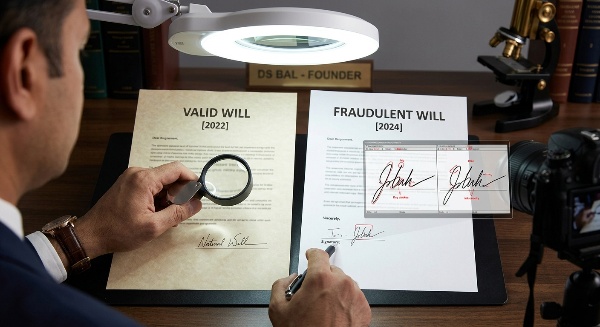
The time limit for contesting a Will depends on the type of claim: for Inheritance Act 1975 claims (challenging “unfair” provision), you have a strict deadline of six months from the date the Grant of Probate is issued. For validity challenges (fraud, lack of capacity, or undue influence), there is no fixed statutory time limit, but the legal doctrine of “laches” allows courts to strike out claims if there is an unreasonable delay that prejudices the estate.

1. The Critical Six-Month Window: Inheritance Act Claims
For many, the realization that they have been left out of a Will, or provided for inadequately, comes only after the death of a loved one. If you intend to claim that the Will fails to make “reasonable financial provision” for you under the Inheritance (Provision for Family and Dependants) Act 1975, the clock starts ticking the moment the Grant of Probate is issued.
In 2026, the courts are increasingly intolerant of missed deadlines. As validity specialists, we emphasize to “The Skeptic” that this six-month window is absolute. While the court has the discretion to allow “out-of-time” claims under Section 4 of the Act, they rarely do so without exceptional circumstances. Recent 2025 precedents, such as Bowerman v Bowerman, show that waiting even a few months too long can lead to a claim being barred by the court to protect the “finality” of the estate for other beneficiaries.
2. Validity Challenges: Why “No Time Limit” is a Myth
If you are challenging the validity of the Will itself (arguing it was never a legal document due to forgery or lack of capacity), you technically face no statutory deadline. However, as a specialist, I warn clients that the “No Time Limit” rule is a dangerous trap.
The longer you wait, the more likely the estate is to be distributed and spent. Once an executor has distributed the assets to beneficiaries, recovering that money is a logistical and legal nightmare. Furthermore, the doctrine of Laches acts as a “soft” time limit. If a court decides you sat on your rights for too long while the executors acted in good faith, they can dismiss your claim regardless of its merit. In 2026, with digital probate records making information more accessible, “I didn’t know” is becoming a harder argument to win.
3. The “Larke v Nugus” Delay Trap
One common reason for delay is waiting for the drafting solicitor to provide the Will file (the Larke v Nugus response). While it is essential to review these notes, you cannot let the six-month Inheritance Act deadline slip while waiting for a solicitor’s reply.
The strategic move is to issue the claim and then ask the court for a “stay” (a pause) to allow for evidence gathering. This protects your position. For validity claims, while you have more breathing room, waiting years for a file can lead to the “loss of evidence” defense, where the court rules that a fair trial is no longer possible because witnesses have passed away or memories have faded.
4. Protecting the Estate: The 6-Month Caveat
If you suspect a Will is invalid, your best defense is a Caveat. This prevents the Grant of Probate from being issued in the first place, effectively stopping the “six-month clock” for Inheritance Act claims from even starting.
A Caveat lasts for six months and can be renewed. For “The Skeptic,” this is the ultimate “holding pattern.” It prevents the executors from taking control of the assets, giving you the necessary time to conduct a forensic audit of the testator’s capacity or the circumstances of the Will’s execution without the fear of the estate being liquidated.
5. Exceptional Circumstances for Late Claims
If you have already missed the six-month deadline for an Inheritance Act claim, you must apply for the court’s permission to proceed. The court will consider:
- The strength of the claim: Is it likely to succeed on its merits?
- The reason for the delay: Was there a deliberate concealment of the estate’s value?
- The state of distribution: Has the money already been spent by beneficiaries?
In 2026, the court’s priority is the “quiet enjoyment” of inheritance by beneficiaries. Unless you can prove you were actively misled or were physically/mentally unable to act, the door is likely to remain shut.
The Specialist’s Note: Check the Date of the Grant
Do not rely on the date of death. The six-month countdown for the Inheritance Act begins on the date the Grant of Probate is issued. In 2026, you can check this date online via the Find a Will service on GOV.UK. If the Grant was issued more than five months ago, you are in the “Danger Zone” and must seek immediate legal intervention.
Speed is a Legal Asset
In probate litigation, the law favors the diligent. Whether you are facing a strict six-month deadline or the vague threat of laches, the message is the same: act now. By the time you “feel ready” to challenge a Will, the assets you are fighting for may already be gone.
Are you running out of time? Download ‘The Capacity Evidence Checklist‘ to fast-track your investigation before the 6-month window closes.
FAQs
Q1: Can I contest a Will 10 years later?
For validity (fraud/forgery), it is technically possible, but practically very difficult due to the “Laches” doctrine and the likely disappearance of assets and witnesses. For Inheritance Act claims, a 10-year delay is almost certainly fatal to the case unless there was extreme fraud involved.
Q2: Does the 6-month limit apply if I’m a minor?
The six-month limit for Inheritance Act claims does apply to minors, though a “litigation friend” (usually a parent or guardian) must act on their behalf. If a guardian failed to act, the child may have a claim for professional negligence against the guardian or solicitor, but the estate claim itself may still be barred.
Q3: What if I didn’t know the person had died?
Lack of knowledge of the death can sometimes be used as a reason to ask the court for a late Inheritance Act claim. However, the court will look at whether you should have known or if the executors made reasonable efforts to find you. In the age of social media and digital records, “not knowing” is a high bar to prove.
Let’s Do This Together
Contesting a will could become an overwhelming experience if not accompanied by expert guidance and support. Our mission is to provide you with all the needed information, support, and authority to get through this journey, with only one goal in mind: Fairness.
To our team, this process is not about winning; it’s about claiming what was yours from the beginning.
Check our complete guide on the lack of mental capacity here. Let us know your story in the comments, and inspire others to walk the same path towards justice!
Get your free, no-obligation case assessment. Call 08002980029 or visit contestawilltoday.com