When a testator is physically frail, a third party may offer to “help” them sign their Will by steadying their hand. While the law allows for a “guided hand” signature in limited circumstances, this practice is frequently a cover for forgery or physical coercion. In 2025, forensic handwriting analysis has become the primary tool in contesting Wills where the signature appears shaky, unnatural, or suspiciously identical to a beneficiary’s handwriting. This article explores the thin legal line between “assistance” and “forgery,” and how to use expert forensic evidence to invalidate a Will that was not signed freely by the deceased.
The Legal Threshold: Assistance vs. Coercion
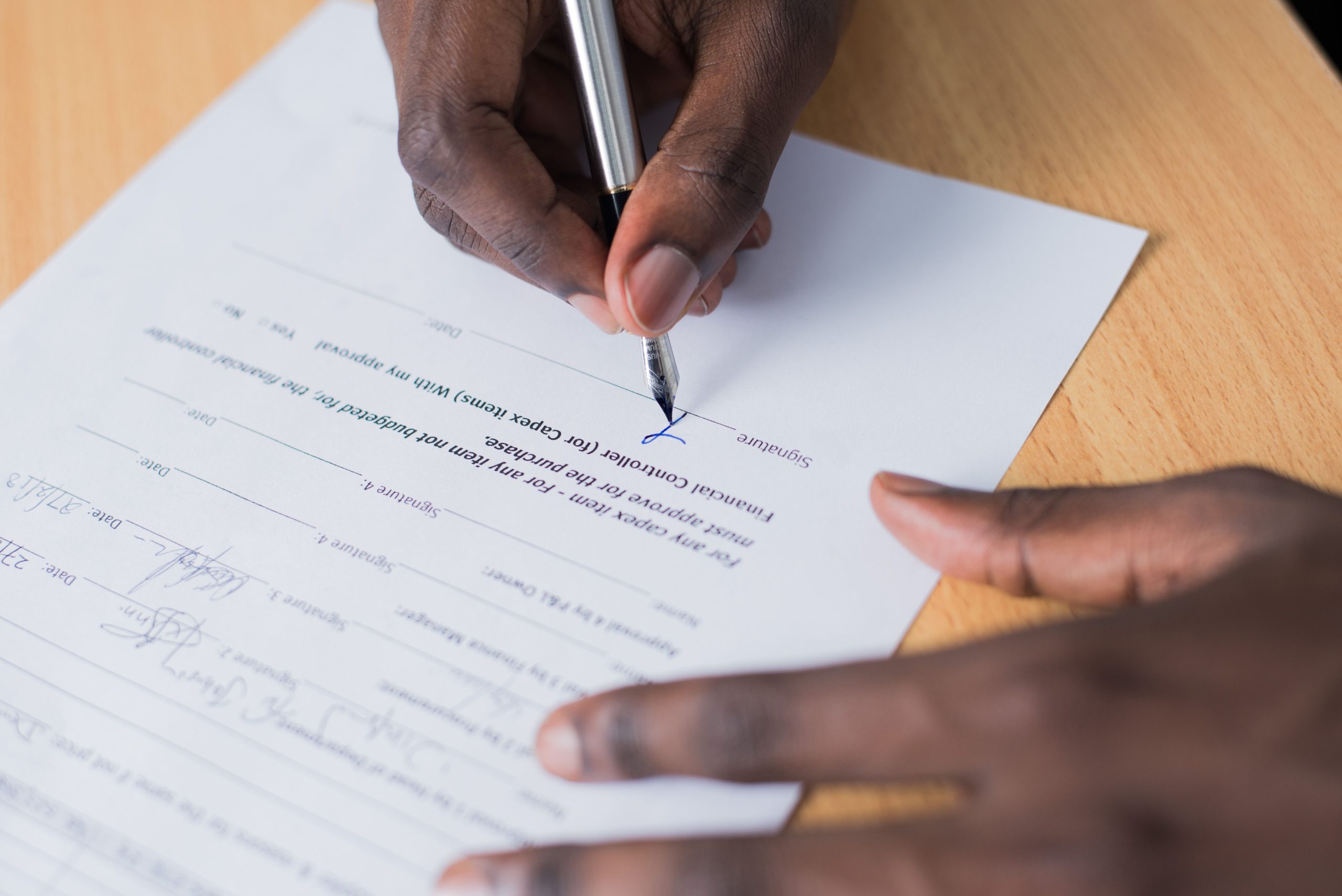
Under Section 9 of the Wills Act 1837, a Will must be signed by the testator or by some other person in their presence and by their direction. A “guided hand” occurs when the testator holds the pen, but another person places their hand over the testator’s to assist with the physical movement.
For a guided hand signature to be valid, the court requires clear evidence that the testator requested the assistance and intended for the resulting mark to be their signature. If the third party moved the pen without the testator’s active participation, the Will is a nullity, it is technically a forgery, even if the testator was in the room.
Forensic Handwriting Analysis: The “Smoking Gun”
When a Will is contested on the grounds of forgery or a forced signature, the battleground moves from the witness box to the laboratory. We work with Forensic Document Examiners (FDEs) who analyze:
Pen Pressure: A guided signature often shows “hesitation marks” or inconsistent pressure where two people were essentially fighting for control of the pen.
Line Quality: Natural signatures have a “fluency.” Forgeries or forced signatures often look “drawn” or static rather than written.
The “Tremor” Profile: A frail person’s natural tremor has a specific rhythm. A forger trying to “fake” a shaky hand often produces an unnatural, jagged pattern that a forensic microscope can detect.
The Role of the Witnesses
If a Will was signed with a “guided hand,” the role of the two witnesses is under intense scrutiny.
Did they see the “guidance”? If the witnesses claim the testator signed unaided, but forensic evidence proves otherwise, their entire testimony is discredited.
Did the testator speak? To be valid, the testator should ideally have verbally confirmed they wanted the help.
Who was the “Guide”? If the person “guiding” the hand is also the main beneficiary, the court will start with a high degree of suspicion regarding Knowledge and Approval.
Exposing the Fraud
We provide the Authority of the Wills Act 1837, the Education to identify suspicious signatures, the Power to hire the UK’s leading forensic experts, the Empathy for families whose loved ones were physically manipulated, and the Urgency to secure the original paper Will before it can be “lost” or altered.
The Warning: Criminal vs. Civil
Forgery is a criminal offense. If we uncover evidence of a forced signature, it doesn’t just invalidate the Will; it can lead to police involvement and the Forfeiture Rule, preventing the fraudster from inheriting anything at all.
Let’s Do This Together
Contesting a will could become an overwhelming experience if not accompanied by expert guidance and support. Our mission is to provide you with all the needed information, support, and authority to get through this journey, with only one goal in mind: Fairness.
To our team, this process is not about winning; it’s about claiming what was yours from the beginning.
Get your free, no-obligation case assessment. Call 08002980029 or visit contestawilltoday.com
FAQs
1. Can a Will be valid if the testator just signed with an “X”?
Yes. A “mark” is legally sufficient as a signature under Section 9, provided the testator intended it to be their signature. However, “marks” are much easier to forge and harder to analyze forensically, meaning they are almost always challenged if the circumstances are suspicious.
2. How much does a forensic handwriting expert cost?
A preliminary report usually costs between £500 and £1,500. While this is an upfront cost, it is often the only way to convince the Probate Registry to maintain a Caveat or to persuade the other side to settle without a full High Court trial.
3. What if the solicitor says they witnessed the “guided hand”?
A solicitor’s testimony is powerful, but not infallible. If a solicitor allowed a “guided hand” without recording a detailed note of why it was necessary and how the testator gave consent, they may be liable for Professional Negligence. We would use a Larke v Nugus request to see their contemporaneous notes.
contact
For a free initial conversation call
0333 800 2929
Frequently asked questions.
Can A Will Be Contested?
Yes, a will can be contested if there are valid legal grounds to challenge its validity.
What are the different Types of Trusts?
There are several types of trusts used in estate planning, each serving a different purpose depending on your goals.
What are Examples of Inheritance Trust disputes?
Breach of Trust: Mismanagement of assets by the trustee.
Trustee Removal: Conflicts leading to the removal of a trustee.
Interpretation: Disagreements over the trust’s legal wording.
Undue Influence: Pressure on the creator to change trust terms.
Financial Claims: Beneficiaries claiming they haven’t received their fair share.
What’s the difference between contesting a will and contentious probate?
Contesting a Will:
This specifically refers to challenging the validity of the will itself.
Common grounds include claims that the deceased lacked mental capacity, the will was forged, or they were under “undue influence” when signing it.
Contentious Probate:
This is a broader term that covers any dispute arising after someone’s death during the administration of the estate.
Do I have to go to court to contest the probate?
No, you do not always have to go to court. Most probate disputes are resolved through:
Mediation: A professional mediator helps both sides reach an agreement without a judge.
Negotiation: Solicitors from both sides negotiate a fair settlement privately.
Settlement Agreements: A legal contract is signed to end the dispute outside of court.
Court as a Last Resort: Litigation is only used if all other attempts to settle fail.