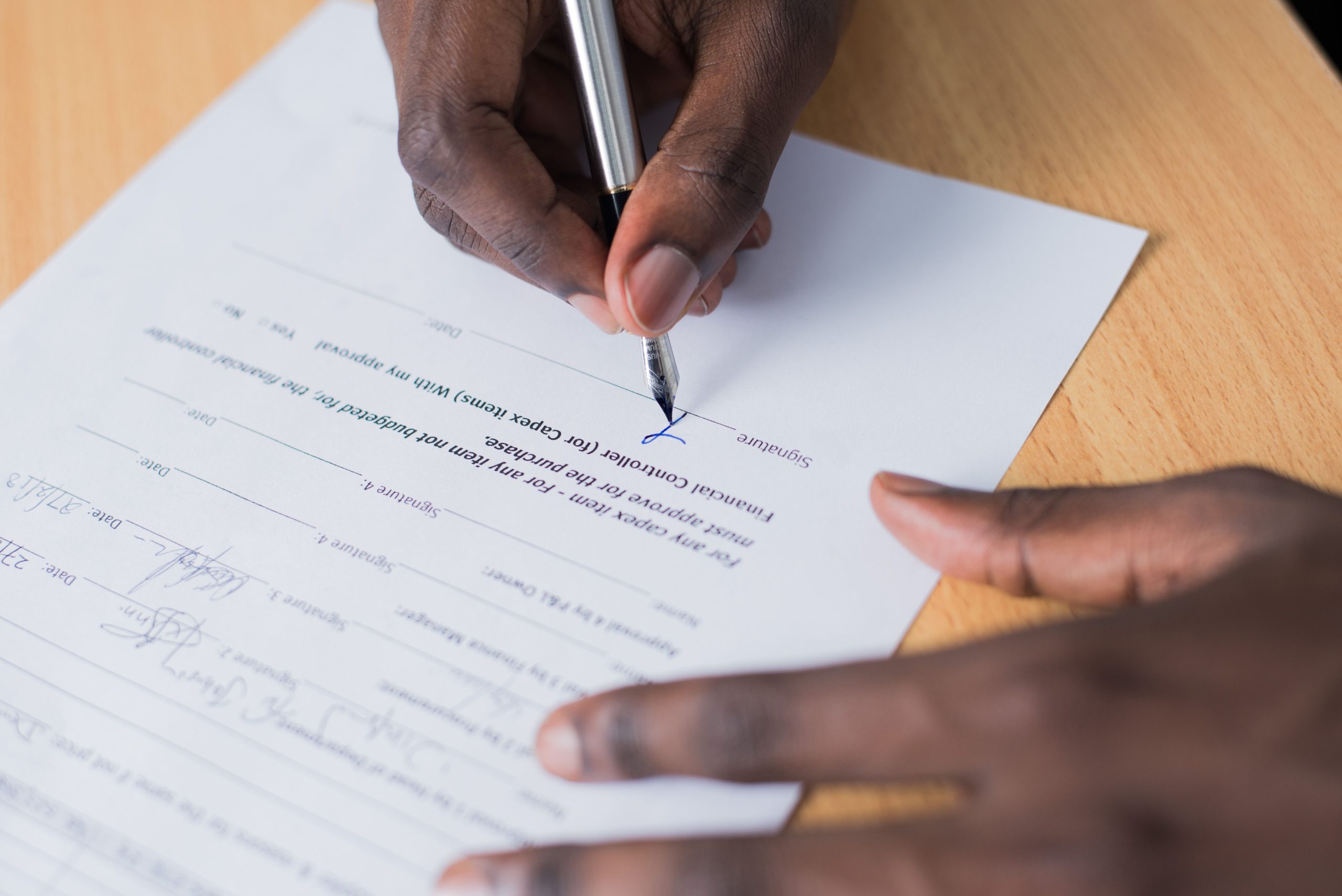
Fake wills and forged marriages mark most of 2026 battles. The most dangerous threat to an inheritance in 2026 isn’t a bad investment; it’s a fraudster with a scanner and a printer. A recent landmark case has highlighted a terrifying trend: individuals claiming they “secretly married” the deceased just before their death to bypass the family and seize the estate.
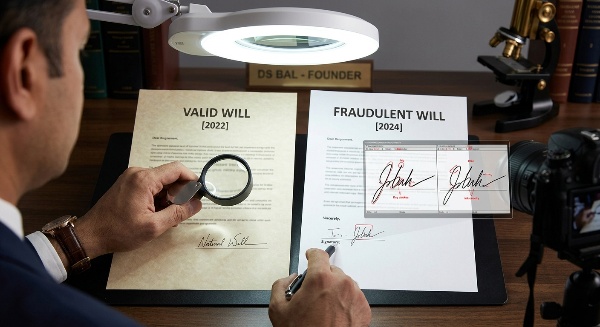
The Case Study: The £500,000 “Secret” Marriage
In this 2026 dispute, a 46-year-old mother had made a valid Will in 2022, leaving her entire estate in trust for her teenage daughter. However, after her sudden death, a former partner (described in court as “toxic and abusive”) emerged with two shocking documents:
- A 2023 “New” Will: Leaving everything to him.
- A Marriage Certificate: Claiming they had married in secret, which would have legally revoked her previous Will.
How the Fraud Was Exposed
The High Court didn’t just take his word for it. In 2026, the court uses a “Forensic Triple-Check” to catch scammers:
- The Paper Trail: Official UK marriage records showed no such union ever took place.
- Handwriting Forensics: Specialist analysts proved the signature on the 2023 Will was a “simulation”, a high-tech forgery.
- The Digital Footprint: In 2026, courts look for WhatsApps or emails discussing the “marriage.” In this case, there were none, making the claim “inherently improbable.”
The Judgment: Costs and Consequences
The judge didn’t just invalidate the fake Will; he acted decisively:
- Removal of Executor: The partner was immediately removed from any role in the estate.
- Cost Orders: The fraudster was ordered to pay over £200,000 in legal costs.
- Criminal Referral: The judge noted the “deliberate level of fraud,” opening the door for criminal prosecution.
How DS Bal & Contest A Will Today Can Help
Fraud thrives in the shadows of grief. At Contest A Will Today, we specialize in bringing these “secret” documents into the light. Our founder, DS Bal, has spent 35 years defending families against predatory claims.
“Scammers rely on the family being too overwhelmed to ask questions,” says DS Bal. “In 2026, we have the forensic tools to prove a lie is a lie. If a marriage or a Will ‘suddenly appears’ out of nowhere, we stop the probate process immediately.”
Under DS Bal’s guidance, we help you:
- Lodge a Caveat: We stop the fraudster from taking control of the money while we investigate.
- Deploy Handwriting Experts: We use the UK’s top forensic analysts to verify every signature.
- Trace the Fraud: We cross-reference official marriage and civil partnership registries to debunk “secret wedding” claims instantly.
3 Red Flags of a Forged Will in 2026
- The “Sudden Spouse”: Did a partner you barely knew (or who was previously abusive) suddenly claim to be a legal spouse?
- Spelling & Grammar: In 2026, many forged Wills use AI templates that include “hallucinations” or US-legal terms (like “Notary”) that don’t apply in the UK.
- No Professional Witness: Was the Will “witnessed” by the fraudster’s friends rather than an independent professional?
FAQs
Q1: Can a “secret marriage” really cancel my parent’s existing Will?
Yes. Under Section 18 of the Wills Act 1837, marriage automatically revokes any previous Will unless that Will was specifically made “in contemplation” of that marriage. In 2026, fraudsters often use this “marriage trap” to nullify a parent’s true wishes, forcing the estate into Intestacy Rules where the “new spouse” inherits the lion’s share. If a secret marriage certificate suddenly appears, you must act immediately to challenge its validity before the estate is distributed.
Q2: How do you prove a Will signature is a forgery in 2026?
Proving forgery requires a combination of high-tech forensics and traditional evidence. At Contest A Will Today, we work with leading Forensic Document Examiners who use ESDA (Electrostatic Detection Analysis) and infra-red imaging to detect:
- Micro-tremors: Signs that a signature was “drawn” slowly rather than written naturally.
- Indentation Marks: Proof that a signature was traced from another document.
- Ink Dating: Determining if the pen used was even manufactured at the time the Will was allegedly signed.
Q3: What is a “Caveat,” and why is it the first step in a fraud case?
A Caveat is a legal “stop order” filed at the Probate Registry. It prevents the court from issuing a Grant of Probate, effectively freezing the estate. In 2026, this is our most powerful tool against fraud; it stops the suspect from selling the family home or emptying bank accounts while DS Bal and our legal team investigate the suspicious documents. A Caveat lasts for six months and can be renewed, buying us the vital time needed to gather forensic proof.
Let’s Do This Together
Contesting a will could become an overwhelming experience if not accompanied by expert guidance and support. Our mission is to provide you with all the needed information, support, and authority to get through this journey, with only one goal in mind: Fairness.
To our team, this process is not about winning; it’s about claiming what was yours from the beginning.
Get your free, no-obligation case assessment. Call 08002980029 or visit contestawilltoday.com
Read our full guide on how to contest a will in 2026 and arm yourself with knowledge!
Meet Our Founder
With over 30 years of experience across civil litigation and dispute resolution, DS Bal brings a deep, broad understanding of the legal process to every case. His background spans complex disputes involving individuals, families, and estates. LinkedIn