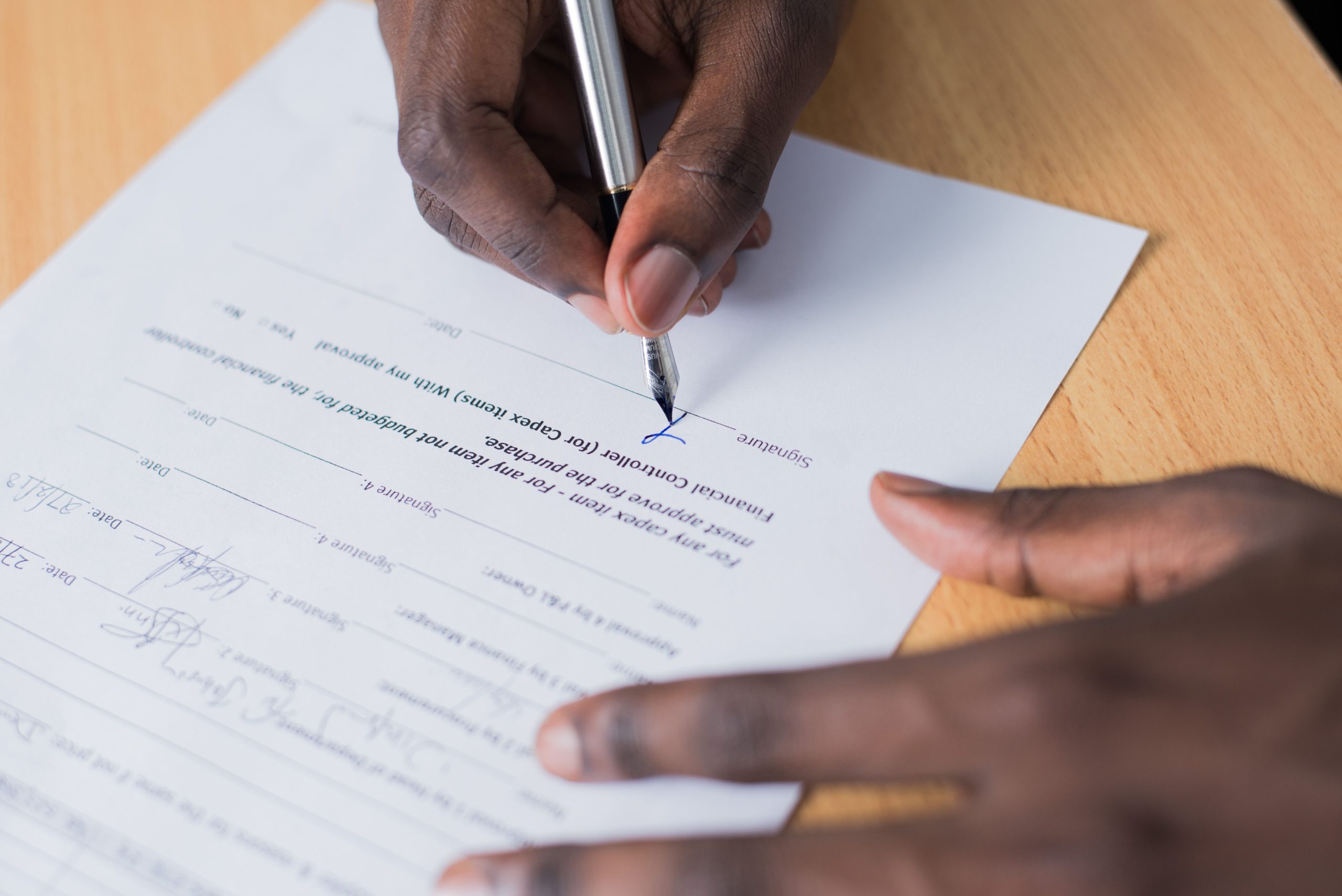
Generally, no. For a signed will to be legally valid in the UK, it must strictly comply with Section 9 of the Wills Act 1837. This means it must be in writing, signed by the testator (or someone in their presence and by their direction), and that signature must be acknowledged in the presence of two witnesses, both present at the same time, who then also sign or acknowledge their signatures in the testator’s presence. Any deviation from these precise requirements can render the Will entirely invalid.
The Skeptic’s Easiest Win: A Technical Knockout
For “The Skeptic,” challenging a Will on grounds of improper execution is often the most straightforward path. Unlike the complexities of proving lack of capacity or undue influence, this isn’t about the testator’s state of mind or someone’s manipulative influence. It’s purely about procedure. If the physical act of signing and witnessing didn’t follow the letter of the law, the Will is, quite simply, void. As validity specialists, we always begin our audit here, looking for the “technical knockout” before delving into deeper issues.
Section 9 of The Wills Act 1837: The Unforgiving Statute
The cornerstone of Will validity in the UK remains Section 9 of the Wills Act 1837. Despite its age, its requirements are strictly enforced by the courts. To be valid, a Will must be:
- In writing, and signed by the testator (or by some other person in his presence and by his direction).
- It appears that the testator intended by his signature to give effect to the Will.
- The signature is made or acknowledged by the testator in the presence of two or more witnesses present at the same time.
- Each witness either attests and signs the Will or acknowledges his signature in the presence of the testator (but not necessarily in the presence of any other witness).
The slightest misstep in this sequence can be fatal to the document.
The “Line of Sight” Rule: Why the Witnesses Must “See”
One of the most frequently breached rules, especially with DIY Wills, is the “line of sight” requirement. The witnesses must be present at the same time, and they must either see the testator sign, or acknowledge their signature. It’s not enough for them to be in the next room, or even just outside an open door. The testator must be able to see, or be capable of seeing, the witnesses sign. This is why a signature completed in the kitchen while the witnesses are in the living room is a fatal flaw. In 2026, with many Wills still having been signed hastily during the recent past, this remains a significant vulnerability.
The “Omnibus” Witnessing: Two Witnesses, One Presence
The requirement that “two or more witnesses be present at the same time” while the testator signs (or acknowledges their signature) is non-negotiable. This prevents a situation where a testator signs the Will in front of one person, and then later shows it to another. Both witnesses must literally be looking at the testator, and the testator’s signature, at the same moment. If a Will was signed by the testator with Witness A present, and then a week later shown to Witness B who then signed, the Will is invalid. We forensically reconstruct the signing event to identify these “split” witnessing scenarios.
The Fatal Flaw of the “Beneficiary Witness”
Perhaps the most iron-clad rule in execution is found in Section 15 of the Wills Act 1837: if a beneficiary (or their spouse) acts as a witness to the Will, that beneficiary’s gift in the Will becomes void. The Will itself remains valid, but the gift to that witness (and their spouse) is lost. This is a common pitfall in informal Wills, where a family member who stands to inherit is asked to witness. As a Validity Specialist, discovering a beneficiary witness doesn’t always invalidate the entire Will, but it certainly “strips” part of it, often dramatically altering the distribution of the estate.
The Rise and Fall of Remote Witnessing: A Post-2020 Vulnerability
Between 2020 and 2022, temporary legislation allowed for Wills to be witnessed remotely via video link due to the pandemic. While a crucial measure at the time, these “video witnessed” Wills now present unique challenges in 2026. The legislation, which permitted this, has now lapsed. As Validity Specialists, we scrutinize such Wills for compliance with the specific conditions of that temporary period (e.g., clear line of sight via video, confirmation of presence). Any failure to meet those temporary conditions, or any remote witnessing outside that specific window, immediately renders the Will invalid by normal 1837 Act standards.
The Unsigned Attestation Clause: A Missing Formalism
While not explicitly required by the Wills Act, an “attestation clause” (a paragraph stating that the Will was duly signed and witnessed) is standard practice. If this clause is entirely missing, or if the witnesses fail to sign it, it does not automatically invalidate the Will. However, its absence creates a “presumption against due execution.” This forces the propounder of the Will (usually the executor) to provide positive evidence that Section 9 was indeed satisfied. For “The Skeptic,” this is a powerful evidentiary tool, as it shifts the burden of proof, making the executor’s task much harder.
Locating the “Invisible Witnesses”: The Solicitor’s Attendance Notes
When we suspect improper execution, our first port of call is the drafting solicitor’s attendance notes. These records should detail the precise circumstances of the Will’s signing. We look for:
- Confirmation that both witnesses were present at the same time.
- Their names and addresses.
- A clear statement that they witnessed the testator’s signature and then signed themselves in the testator’s presence.
- Any unusual circumstances or queries raised by the solicitor regarding the signing process.
Missing or vague entries here are red flags, indicating a potential procedural lapse that can be exploited in a challenge.
Let’s Do This Together
Contesting a will could become an overwhelming experience if not accompanied by expert guidance and support. Our mission is to provide you with all the needed information, support, and authority to get through this journey, with only one goal in mind: Fairness.
To our team, this process is not about winning; it’s about claiming what was yours from the beginning.
Get your free, no-obligation case assessment. Call 08002980029 or visit contestawilltoday.com
Check our complete guide on Lack of Capacity here.
FAQs
Q1. What if the testator signed but the witnesses forgot to?
If the witnesses genuinely forgot to sign, the Will is invalid under Section 9 of the Wills Act 1837. The Act is strict: the witnesses must sign or acknowledge their signatures in the testator’s presence. There is no leeway for forgetfulness or oversight. The only possible (and very rare) exception might be if the court could apply the doctrine of rectification, but this is for clerical errors, not missing essential steps.
Q2: Does it matter if a witness is a minor (under 18)?
While the Wills Act 1837 doesn’t explicitly state a minimum age for witnesses, it’s highly advisable for witnesses to be over 18. A minor’s testimony could be challenged on grounds of competence or understanding, especially if the Will is later disputed. While not automatically invalidating the Will, it creates an unnecessary vulnerability that a Validity Specialist would exploit.
Q3: Can a Will be valid if it’s not dated?
A Will does not have to be dated to be valid, provided it meets all the other requirements of Section 9 of the Wills Act 1837. However, an undated Will can cause significant problems if there are multiple Wills and it’s unclear which is the “last Will.” This often necessitates a court application to determine the correct chronological order, adding cost and delay to the probate process. It’s always best practice to date a Will.
Procedure Trumps Intent
In the realm of Will validity, good intentions are simply not enough. The law demands precise adherence to the rules of execution. For “The Skeptic,” investigating improper execution offers a direct route to setting aside a Will, allowing the estate to be distributed according to earlier valid Wills or the rules of intestacy. As a Validity Specialist, our role is to expose these technical flaws, ensuring that only truly valid documents govern the transfer of wealth.
Before you assume a Will is valid, ensure its foundations are solid. Download ‘The Capacity Evidence Checklist‘ to see if you have a case (and spot any execution flaws along the way).