While litigation is often seen as the primary route for inheritance disputes, the reality in 2025 is that nearly all successful resolutions happen outside the courtroom. Mediation is a voluntary, confidential, and highly effective form of Alternative Dispute Resolution (ADR) where an independent third party, the mediator, helps disputing families reach a settlement they can “live with”. In England and Wales, the courts now view mediation as almost compulsory, with severe financial penalties for those who unreasonably refuse to engage. This article explains how mediation works, why it boasts a success rate of over 89%, and how it can preserve both your inheritance and your family relationships.
The Court’s Stance: “Mediate or Pay”
The Civil Procedure Rules (CPR) explicitly encourage parties to explore ADR before proceeding to trial. Recent case law, such as Northamber PLC v Genee World Ltd [2024], has reinforced that silence in the face of a mediation offer is considered “unreasonable conduct”.
Cost Penalties: Even if you win your case at trial, a judge may refuse to award you your legal costs, or even order you to pay the other side’s costs, if you refused to mediate without a valid reason.
Judicial Pressure: Judges increasingly use their power to stay (pause) proceedings to force parties to the negotiating table, recognising that court should always be the last resort.
How the Mediation Day Works
Unlike the rigid and adversarial nature of a courtroom, mediation is flexible and can be conducted in person or virtually.
Preparation: Parties exchange “position statements” and a bundle of core documents so the mediator understands the legal and emotional landscape.
The “Shuttle Diplomacy”: Usually, the parties remain in separate rooms (or private video breakout rooms). The mediator moves between them, testing the strengths of their arguments and relaying offers.
Creative Solutions: Unlike a judge, who can only rule on legal rights, a mediator can facilitate “bespoke” outcomes, such as apologies, the return of sentimental items, or tax-efficient trust restructures.
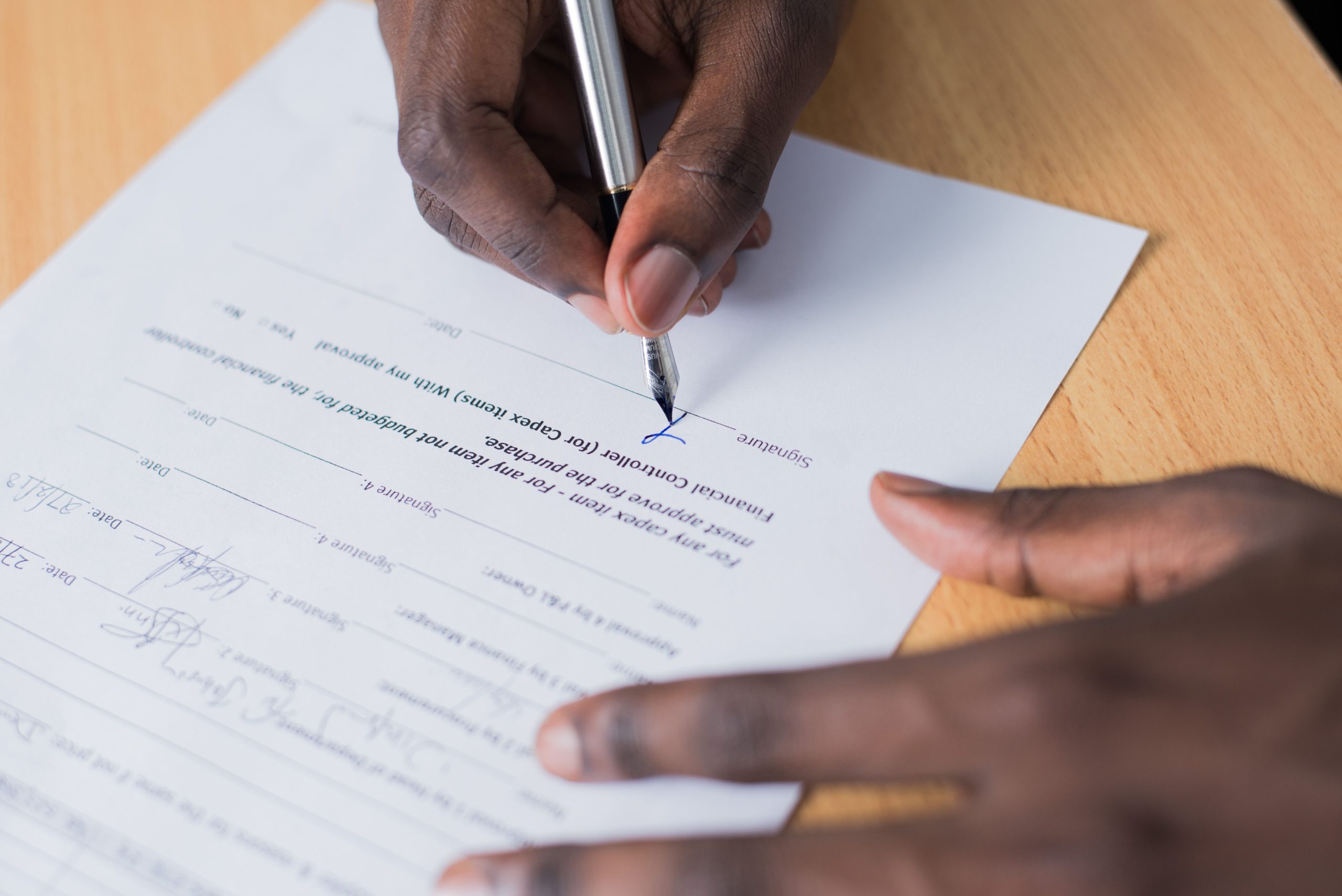
The Binding Agreement: If a deal is reached, a formal Settlement Agreement is drafted and signed on the day, making it legally binding and bringing the dispute to an immediate end.
Why Mediation Succeeds Where Court Fails
Cost-Efficiency: A full High Court trial can cost hundreds of thousands of pounds, often exceeding the value of the estate itself. Mediation typically costs a fraction of this and can be completed in a single day.
Speed: Court dates can take 12–18 months to secure. Mediation can be arranged within weeks, allowing beneficiaries to receive their inheritance sooner.
Confidentiality: Court hearings are public and can attract press attention; mediation is strictly confidential and “without prejudice,” meaning nothing said can be used against you if the case later goes to court.
Preserving Relationships: Litigation is designed to find a “winner” and a “loser,” which often destroys family ties forever. Mediation focuses on finding a resolution that allows families a chance to heal.
The Emotional Release
Inheritance disputes are rarely just about the money; they are often the climax of decades of family grievances. In a courtroom, there is no space for these feelings. A skilled mediator provides a “cathartic” environment where you can get things off your chest privately. By acknowledging the emotional weight of the dispute, the mediator helps clear the “fog” of anger, allowing you to make a clear-headed commercial decision that protects your future.
With recent statistics showing that up to 92% of mediations settle on the day or shortly after, it is statistically your best chance of a positive outcome. If you are currently embroiled in a dispute, every day you wait is another day of mounting legal fees and emotional stress. Contact us today to discuss how we can initiate mediation and help you take back control of your inheritance.
Let’s Do This Together
Contesting a will could become an overwhelming experience if not accompanied by expert guidance and support. Our mission is to provide you with all the needed information, support, and authority to get through this journey, with only one goal in mind: Fairness.
To our team, this process is not about winning; it’s about claiming what was yours from the beginning.
Get your free, no-obligation case assessment. Call 08002980029 or visit contestawilltoday.com
FAQs
1. Do I have to be in the same room as my family during mediation?
No. Most probate mediations use “shuttle mediation,” where you stay in your own room with your legal team and never have to see or speak to the other side directly.
2. Is a mediator like a judge?
No. A mediator does not decide who is right or wrong and cannot force you to settle. Their role is to facilitate negotiation and help you explore the risks of going to trial.
3. What if we don’t settle on the day?
You haven’t lost anything. You remain free to continue to court. However, the “shuttle diplomacy” often narrows the issues so much that a settlement is reached in the days following the session.
contact
For a free initial conversation call
0333 800 2929
Frequently asked questions.
Can A Will Be Contested?
Yes, a will can be contested if there are valid legal grounds to challenge its validity.
What are the different Types of Trusts?
There are several types of trusts used in estate planning, each serving a different purpose depending on your goals.
What are Examples of Inheritance Trust disputes?
Breach of Trust: Mismanagement of assets by the trustee.
Trustee Removal: Conflicts leading to the removal of a trustee.
Interpretation: Disagreements over the trust’s legal wording.
Undue Influence: Pressure on the creator to change trust terms.
Financial Claims: Beneficiaries claiming they haven’t received their fair share.
What’s the difference between contesting a will and contentious probate?
Contesting a Will:
This specifically refers to challenging the validity of the will itself.
Common grounds include claims that the deceased lacked mental capacity, the will was forged, or they were under “undue influence” when signing it.
Contentious Probate:
This is a broader term that covers any dispute arising after someone’s death during the administration of the estate.
Do I have to go to court to contest the probate?
No, you do not always have to go to court. Most probate disputes are resolved through:
Mediation: A professional mediator helps both sides reach an agreement without a judge.
Negotiation: Solicitors from both sides negotiate a fair settlement privately.
Settlement Agreements: A legal contract is signed to end the dispute outside of court.
Court as a Last Resort: Litigation is only used if all other attempts to settle fail.