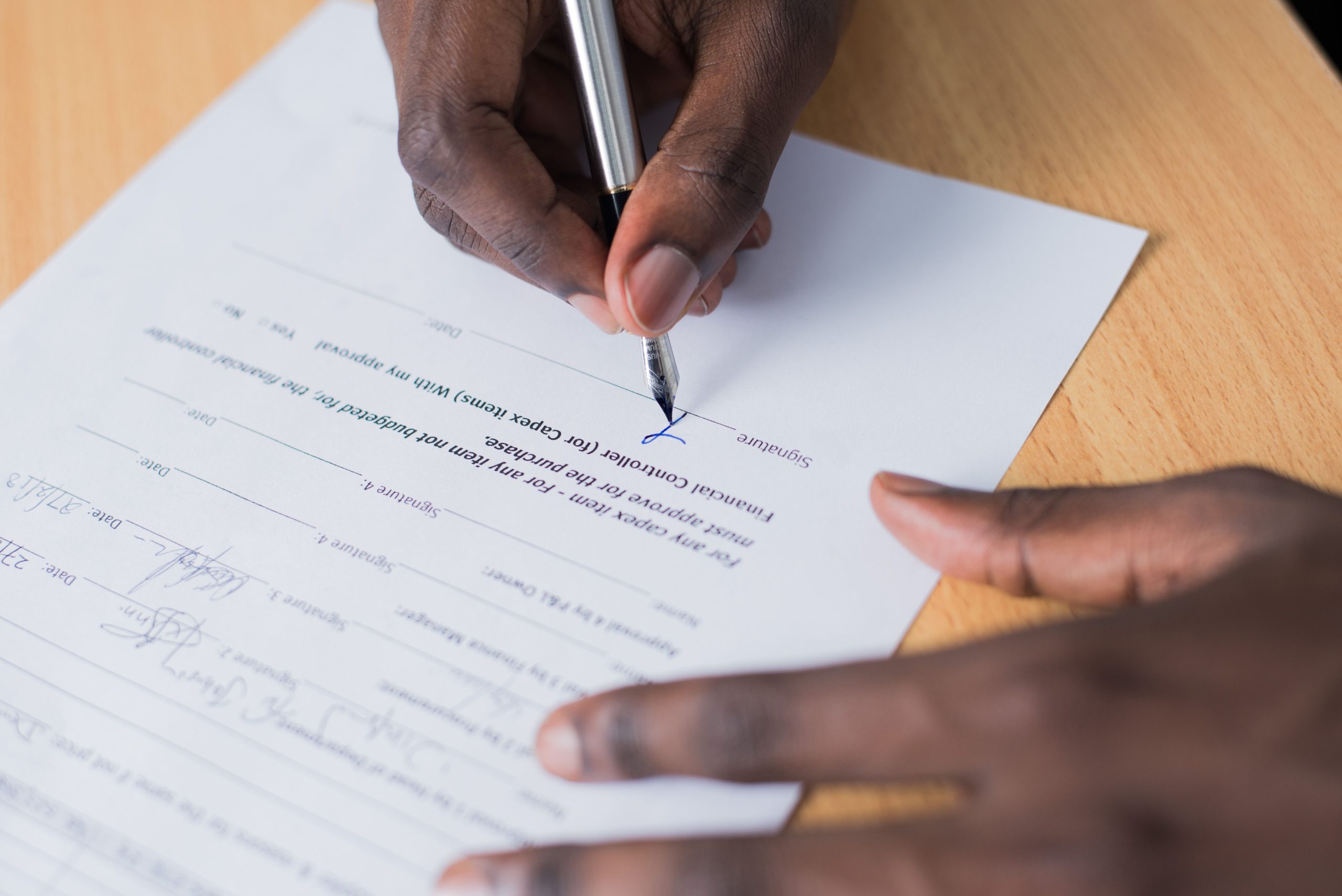
A “Deathbed Will” refers to a testamentary document executed in the final days or hours of a person’s life, often while they are suffering from severe illness, heavily medicated, or hospitalized. While there is no legal rule preventing a person from making a Will just before they die, these documents are viewed with extreme scrutiny by the courts. They often trigger the legal doctrine of “suspicious circumstances,” which shifts the burden of proof onto those trying to uphold the Will to prove it truly represents the deceased’s free and competent wishes. Challenges to deathbed wills typically focus on a lack of testamentary capacity due to medication or delirium, or undue influence exerted by someone taking advantage of the testator’s extreme vulnerability.
The Shock of the Eleventh-Hour Change
Few situations in contentious probate are more distressing than discovering that a loved one’s long-standing Will, perhaps one that stood for decades and reflected a lifetime of relationships, was suddenly revoked and replaced in their final days or hours.
Often, this new “Deathbed Will” dramatically alters the distribution of the estate, perhaps disinheriting close family members in favor of a new acquaintance, a caregiver, or the one relative who had “gatekeeper” access to the deceased in their final moments.
For those left behind, the grief of loss is compounded by a profound sense of foul play. The natural reaction is: “They couldn’t possibly have known what they were doing,” or “Someone must have forced them.”
The good news is that the law recognizes the unique dangers of these situations. While not automatically invalid, deathbed wills are inherently suspect.
The Doctrine of “Suspicious Circumstances”
In a standard probate case, if a Will appears correctly signed and witnessed, the court presumes it is valid. The burden is usually on the person challenging the Will to prove otherwise.
However, deathbed wills often trigger a powerful legal doctrine known as “suspicious circumstances.”
If the circumstances surrounding the creation of the Will raise a “well-grounded suspicion” that it does not express the true mind of the deceased, the tables turn. The burden of proof shifts. It is no longer up to you to prove the Will is fake; it becomes the job of the person propounding (supporting) the Will to affirmatively prove to the court that the deceased fully understood and approved its contents.
Suspicious circumstances in a deathbed will scenario often include:
- The testator was heavily medicated (e.g., morphine) or suffering from delirium/confusion.
- A major beneficiary was instrumental in procuring the new Will (e.g., calling the solicitor, writing out the wishes).
- The Will makes a radical departure from previous, long-standing testamentary intentions without a rational explanation.
Deathbed Will and The Battle Over Mental Capacity
The most common ground for challenging a deathbed Will is a lack of testamentary capacity. To make a valid Will, the person must satisfy the legal test established in Banks v Goodfellow (1870). They must understand:
- The nature of the act (that they are signing a Will to dispose of their property).
- The extent of their property (roughly what they own).
- The “claims” to which they ought to give effect (who they should reasonably consider leaving things to).
In the final stages of life, capacity can fluctuate wildly. A person might be lucid at 10:00 AM but completely confused by 2:00 PM due to pain, fatigue, or medication cycles.
A challenge here often hinges on proving that at the exact moment the pen hit the paper, the testator lacked the necessary mental faculties. This is not about general decline; it is about specific timing.
Vulnerability and Undue Influence
The second major battleground for deathbed wills is undue influence. This occurs when someone coerces, pressures, or manipulates the testator into making a Will they do not want to make.
The end of life is the moment of maximum vulnerability. A dying person may be physically weak, reliant on others for basic needs, and desperate for peace. They may sign anything just to stop someone from nagging them or out of fear that care will be withdrawn.
Unlike capacity, undue influence must be proved by the person alleging it. Because coercion usually happens behind closed doors with no witnesses, it is notoriously difficult to prove. However, in deathbed scenarios, the court is acutely aware of the potential for abuse by those controlling access to the dying person.
The Evidence That Wins These Cases
If you suspect a deathbed Will is invalid, general suspicion is not enough. You need concrete evidence. A specialist solicitor will immediately seek to secure:
- Medical Records: The daily (or hourly) nursing notes from the hospital or hospice are vital. They track medication dosages, levels of consciousness, confusion, and instances of delirium.
- Visitor Logs: Who had access to the deceased in those final hours? Was the beneficiary alone with them just before the Will was changed?
- Witness Testimony: Statements from doctors, nurses, and palliative care staff about the deceased’s mental state are crucial independent evidence.
- The Drafting Solicitor’s File: If a solicitor was rushed to the bedside, their notes on how they assessed capacity (the “Golden Rule”) will be heavily scrutinized. Did they spend enough time alone with the client to ensure no coercion was taking place?
Trust Your Instincts and Act Fast
While a person has the right to change their Will up until their last breath, the law is designed to protect the dying from exploitation. If a deathbed Will feels wrong, it often is legally vulnerable.
These cases require urgent action. You must move quickly to secure medical evidence before records are archived and memories fade. A Caveat should be considered immediately to prevent the estate from being distributed under the suspicious new Will.
Read our emergency guide to learn more about Caveats: Immediate Action: The Crucial Difference Between a Caveat and a Claim (and Why Time is NOT Your Friend)
Check the official GOV.UK guidance on entering a caveat.
If a loved one made a drastic change to their Will in their final days, do not accept it without question. Contact us today for an urgent assessment of the circumstances to determine if the Will can be challenged.
Get your free, no-obligation case assessment. Call 08002980029 or visit contestawilltoday.com
FAQs
1. Does being on high-dose morphine automatically invalidate a deathbed Will?
No, not automatically. People can still possess the requisite mental capacity even when heavily medicated for pain. However, high doses of opioids like morphine can cause drowsiness, confusion, and hallucinations. The court will need expert medical evidence to determine if the dosage at the time of signing was sufficient to impair their specific ability to understand the Will.
2. What if a solicitor was present to draft the deathbed Will? Does that make it watertight?
Not necessarily. While the presence of a solicitor adds a layer of legitimacy, it is not foolproof. Solicitors are often rushed in these scenarios and may not have adequate time to properly assess capacity or screen for undue influence, especially if a family member is hovering nearby. If the solicitor failed to follow the “Golden Rule” (taking extra precautions with aged/ill clients), their evidence can be challenged.
3. If the deathbed Will is successfully challenged, what happens?
If the court declares the deathbed Will invalid, it is treated as if it never existed. The estate will then be distributed according to the terms of the previous valid Will. If no previous Will exists, the estate will be distributed according to the statutory Rules of Intestacy.