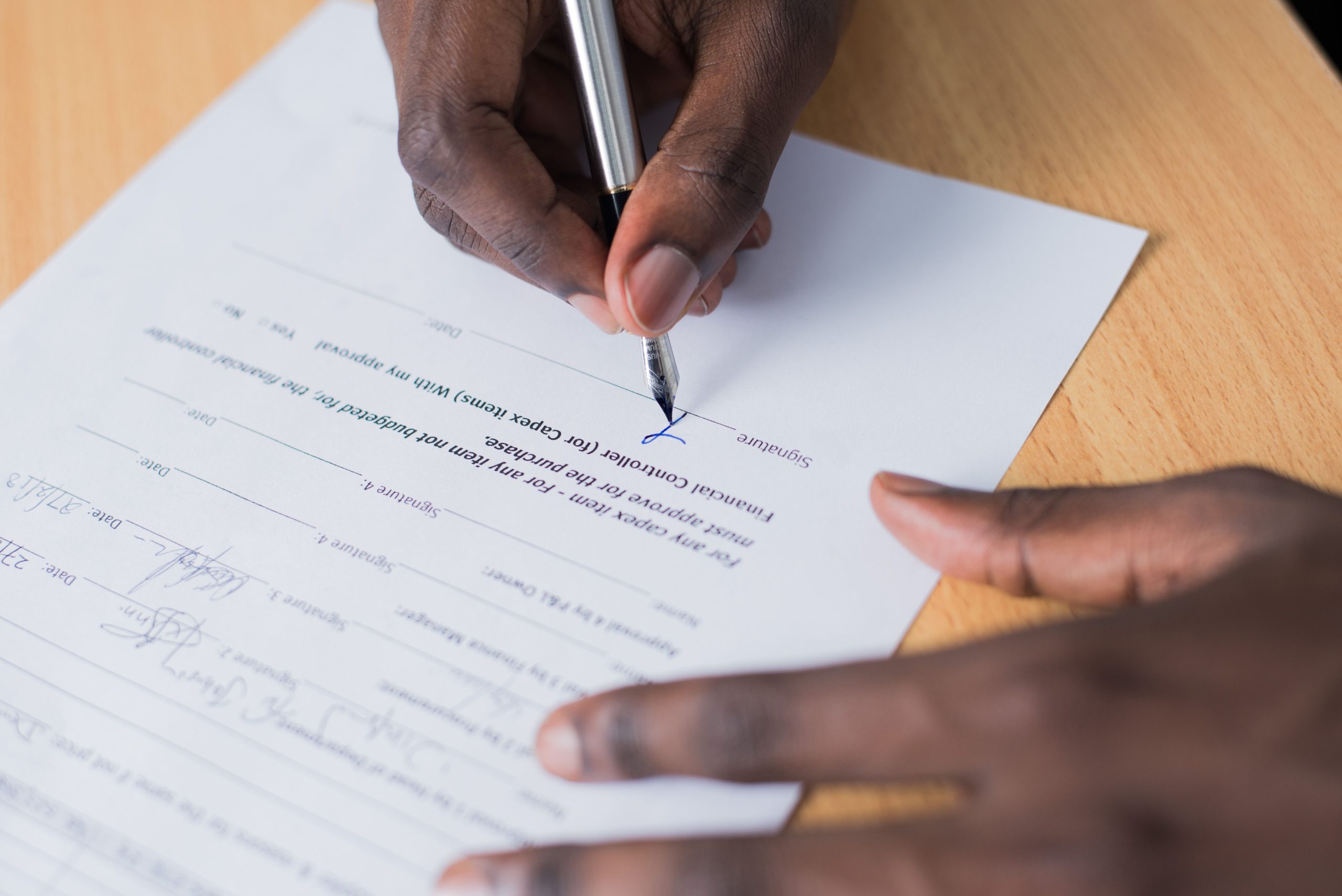
Discovering that a will feels unfair, incomplete, or unusual can leave families with questions they never expected to ask. Many people assume that once a will exists, it must be final, but in the UK, not all wills are legally valid. And if a will fails to meet legal standards, it may be challenged. If you’re here because something doesn’t feel right, you’re not alone. Countless families seek clarity during some of the most emotional chapters of their lives. This guide explains, in plain English, the key reasons a will can be considered invalid, and what steps you can take if you’re concerned.

What Does it Mean for a Will to Be Invalid?
An invalid will is one that does not comply with UK legal requirements or does not reflect the true intentions of the person who passed away. When a will is ruled invalid, the estate may instead be handled under previous versions of the will, or, if none exist, under the rules of intestacy.
Understanding the signs early can help protect your rights and reduce conflict before an estate is distributed.
The Main Legal Grounds for an Invalid Will
Below are the most recognised legal reasons a will may be challenged in England and Wales.
1. The Will Wasn’t Properly Signed or Witnessed
Under the Wills Act 1837, a valid will must be:
- Signed by the person creating it
- Witnessed by two independent witnesses
- Witnesses must be present together when the will is signed
If signatures are missing, witnesses are related, or signing rules weren’t followed, the will may be invalid.
2. The Person Lacked Mental Capacity
A will can be challenged if the person was not mentally capable of understanding:
- What they owned
- Who they were choosing to include (or exclude)
- The consequences of their decisions
This is common when dementia, illness, or vulnerability was present.
3. Undue Influence or Pressure
If someone was forced, manipulated, or pressured into changing their will, it may not reflect their free wishes.
Signs of undue influence can include:
- Sudden changes late in life
- Removal of expected beneficiaries
- Secrecy around new versions
The law takes this very seriously because it protects individuals from being taken advantage of.
4. Fraud or Forgery
Sadly, fraudulent wills do exist. Examples include:
- Fake signatures
- Altered pages
- Entirely fabricated documents
If there is suspicion of fraud, handwriting experts or legal investigation may be required.
5. The Will Wasn’t Made Voluntarily
A will is invalid if the person signed it while afraid, coerced, or under emotional control rather than acting freely.
When to Seek Legal Guidance
You don’t need certainty, only concern, to ask questions.
You may want help if:
- Something about the will changed suddenly
- A family member refuses to share copies or information
- You feel the will doesn’t reflect the person you knew
- Communication is becoming tense or confusing
Speaking with a specialist early can prevent rushed decisions or irreversible estate distribution.
We’re Here When You Need Support
At Contest A Will Today, we’ve worked with families across the UK for over 30 years. We understand that this isn’t just a legal issue, it’s emotional, personal, and often overwhelming. We understand that you deserve fairness, clarity, and answers.
If you’re unsure whether a will is valid, we’re here to help, gently, professionally, and without pressure.
Reach out for a confidential conversation.
You don’t need to navigate this alone.
FAQs
1. Can a will be challenged even if probate has already started?
Yes. Probate doesn’t remove the right to question a will’s validity. If you have concerns, it’s best to seek guidance as soon as possible, as time limits may apply. Read our guide Contest a Will After Probate Has Been Granted to dive further into this topic.
2. How much does it cost to contest a will?
At Contest A Will Today, many clients qualify for a No Win No Fee arrangement, meaning there are no upfront legal fees and you only pay if the claim succeeds. This structure allows people to pursue fairness without financial fear or risk.
3. How can I talk to my family about a will dispute without making things worse?
Talking about a will dispute can feel overwhelming, especially when emotions are already raw from grief. A gentle approach can help protect relationships where possible. Here’s how to tackle this topic while maintaining family relationships: How to Talk to Family About a Will Dispute: Turning Helplessness into Hope