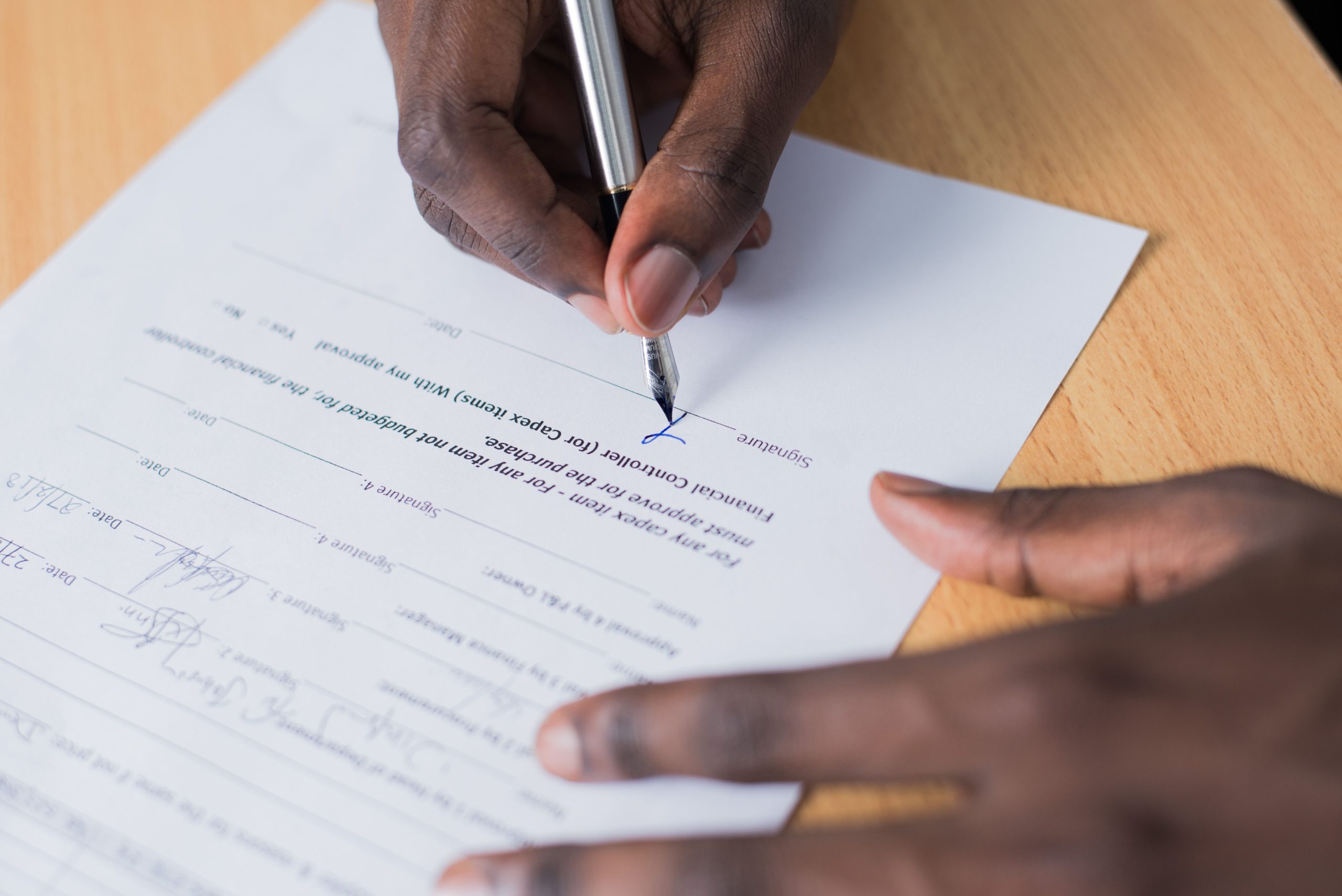
Including digital assets in a Will in the UK is a modern necessity to prevent financial loss, loss of irreplaceable family memories, and unnecessary distress for your loved ones. Since UK law struggles to keep pace with technology, the key to protecting these assets lies in creating a secure, separate inventory that clearly instructs your Executors on how to access and manage everything from cryptocurrency and online bank accounts to social media profiles and cloud photo albums.

The Hidden Estate: Dealing with Digital Assets in a Will
When a family member passes away, the priority for the bereaved is often dealing with the home, the physical bank accounts, and the paperwork. Yet, in our modern world, much of a person’s life—and often a significant part of their financial and sentimental value—is stored behind passwords.
This is the hidden estate: digital assets.
If these accounts are not clearly dealt with in a Will, the task of settling the estate can become complicated, painful, and even illegal for your Executors. Our team understands that managing this digital legacy is not just a legal headache; it’s about protecting the irreplaceable memories and value you leave behind.
What Exactly Are Digital Assets?
Digital assets are anything that exists only in a digital format and comes with a right to use or own. They are divided into three main categories, and it is vital your Executors know about all of them:
1- Financial/Valuable
Assets with actual monetary worth: Cryptocurrency (Bitcoin, etc.), NFTs, online banking, PayPal balances, domain names, and royalty payments from online work.
2- Sentimental/Personal
Items that hold immense emotional value, but little financial worth: Cloud storage (iCloud, Google Drive), email accounts (containing correspondence), photo albums, and digital music or film libraries.
3- Social/Utility
Accounts needed for communication or subscriptions: Social media accounts (Facebook, Instagram), loyalty reward schemes, and subscription services (Netflix, Amazon Prime, Spotify).
The Three Losses of an Unresolved Digital Estate
Failing to plan for your digital footprint can lead to painful and avoidable losses for your beneficiaries:
Financial Loss
For valuable assets like cryptocurrency or online investments, the loss can be permanent. These assets are often secured by private keys or seed phrases, which are virtually impossible to retrieve without the owner’s knowledge. If your Executors cannot access the digital wallet, the assets are effectively lost forever. Similarly, ongoing subscriptions or online business payments could continue for months, quietly draining the estate’s funds.
Sentimental Loss
This is often the most distressing loss for a grieving family. Family photographs, videos, and cherished emails are often stored only in the cloud. If the account details are not known, the provider may delete the account after a period of inactivity, or simply refuse to grant access due to privacy laws, meaning years of irreplaceable memories vanish.
Social and Privacy Concerns
If a Will doesn’t specify what should happen to social media accounts, they are often left in digital limbo. They can remain active, be vulnerable to hacking, or be closed abruptly. While providers like Facebook and Google offer “Legacy Contact” or “Inactive Account Manager” features, these must be set up before death. Without these permissions, your family has a complex, documentation-heavy process just to have the account memorialised.
The UK Legal Hurdle: Terms of Service
The biggest difficulty with digital assets in a UK Will stems from the clash between Will law and contract law.
In the UK, your Will grants your Executor the authority to deal with your property. However, when you created your email or social media account, you signed a contract—the Terms of Service (ToS)—with the provider (often based outside the UK).
Most ToS agreements state that you are buying a licence to use the service, not ownership of the account itself. Crucially, they usually prohibit sharing your login details, and the licence terminates on your death.
An Executor who attempts to log in using a password may technically be in breach of contract and, in some rare cases, might even risk violating the Computer Misuse Act 1990. This confusing landscape is why simply writing “I leave my Facebook account to my son” in your Will is not enough; access is often denied by the service provider.
(Note: Recent government proposals, such as the Property (Digital Assets etc) Bill, are aimed at clarifying the law to formally recognise digital assets as property, but the practical access challenge remains for now.)
The Simple Solution: The Digital Asset Inventory
The best way to protect your digital legacy and avoid disputes is by separating the instruction from the sensitive details.
Crucially, never include passwords or private keys directly in your Will. Your Will becomes a public document after probate, creating a major security risk.
Instead, take these simple steps:
- Create a Digital Asset Inventory: Make a clear list of all your digital accounts, including the URL, the type of asset (financial, sentimental), and the desired outcome (close, delete, memorialise, or transfer).
- Use a Secure Storage System: Store the sensitive access information (passwords, private keys, etc.) in a secure password manager or in a sealed letter kept in a fireproof safe, or with your Solicitor alongside your Will.
- Appoint a Digital Executor: Name a trusted person—often your main Executor—in your Will and specifically grant them the power to manage your digital assets, collect any financial value, and close non-transferable accounts.
- Tell Your Executor: Ensure they know where the secure inventory list is located and how to access it upon your passing.
Planning for your digital estate is an act of care. It ensures that your valuable assets remain protected and that your loved ones can easily hold onto the precious, sentimental memories you created online.
If you are dealing with a disputed Will that involves complex digital holdings, our specialist team can help. We have the expertise to navigate the technical and legal challenges of modern probate.
The Emotional Side of Losing Digital Assets
The sudden disappearance of digital memories can cause intense emotional pain and distress for grieving families. When Executors cannot access private photo albums or personal correspondence stored in the cloud, it’s not just data that is lost—it’s the final, tangible connection to the deceased. This loss can significantly compound the grieving process, leaving families with the heartbreaking knowledge that precious, irreplaceable memories were right there, but locked away forever due to a lack of simple planning.
If you recently lost a loved one and feel stuck on what to do with their digital assets, you are not alone. We are right here with you to navigate this situation and come up with a proper solution.
How did this emotionally affect you? Share your story in the comments; We’d love to hear from you.
Ready to Secure Your Family’s Inheritance?
If you or a loved one needs to address complex or disputed digital assets within an estate, don’t leave it to chance. Contact us today for a free, confidential assessment of your eligibility.
Make sure to check our guide on The Success Rates of Contesting a Will: Separating Legal Fact from Emotional Fear
FAQs
1. Can an Executor be held liable for losing digital assets in a Will UK?
Yes, an Executor has a duty to collect and preserve all assets of the estate, which includes digital assets. If they fail to take reasonable steps to secure valuable digital property, such as cryptocurrency, and that loss could have been prevented, they could potentially face a claim for negligence from the beneficiaries.
2. What does it mean to memorialise a social media account?
To memorialise an account (like Facebook or Instagram) means the platform converts the deceased person’s profile into a tribute page. The word “memorialised” confirms the user is deceased and locks the account, preventing new logins or posts while preserving existing content like photos and tributes. This is a respectful way to preserve the account and prevents it from being deleted or misused. For many platforms, this process is managed by a Legacy Contact nominated by the user before their death.
3. What is a “Legacy Contact,” and how does it relate to digital inheritance?
A Legacy Contact is a feature offered by some social media providers, like Facebook, that allows you to nominate a person to manage your account after your death. They can accept memorialisation requests, download certain content, or write a final tribute. This feature overrides the complex legal process and is highly recommended as a simple step for social media accounts.