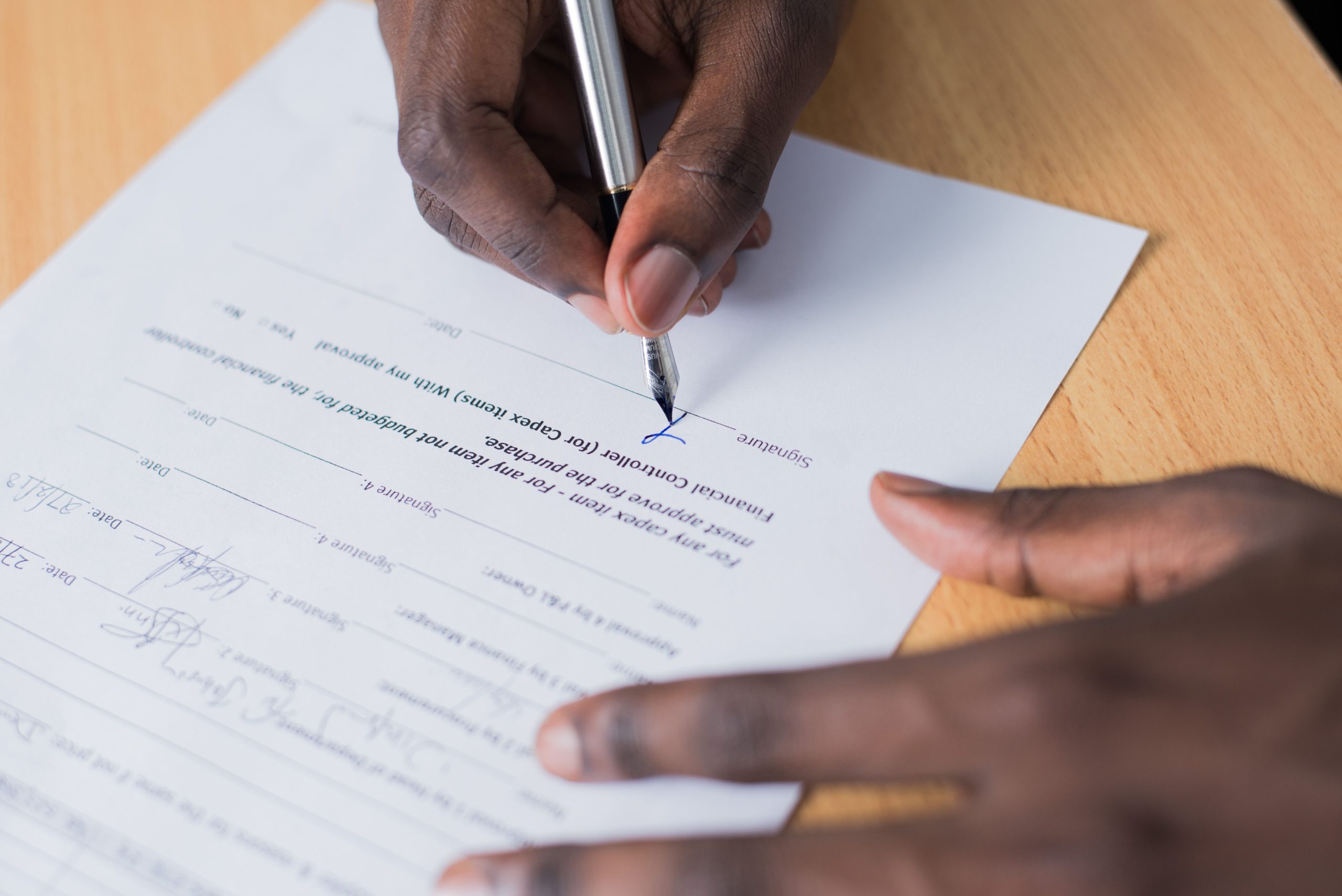
To successfully contest a will in the UK, you need strong evidence supporting one of the legal grounds, such as lack of capacity, undue influence, or improper execution. Crucial evidence often includes medical records, solicitor file notes, and witness testimonies detailing the deceased’s state of mind or the circumstances surrounding the will’s creation. Gathering this evidence can be emotionally difficult, but it is the essential first step to seeking a fair resolution. We at Contest A Will Today are here to guide you through this complex process with care and expertise.

When Grief Meets Injustice: Understanding the Challenge
Losing a loved one is devastating enough. Discovering that their Will seems unfair, unexpected, or completely unreflective of their true wishes can add a profound layer of hurt and confusion. You are not alone in feeling this way. Many families come to us wondering if they have a voice when a Will feels fundamentally wrong.
As compassionate experts, we want you to know that challenging a Will in the UK is about seeking fairness, not greed. However, to do this, you must have credible, concrete evidence to prove to the court that the Will is legally invalid.
DS Bal and Contest A Will Today are committed to helping families during these vulnerable moments, blending deep legal knowledge with genuine care.
The Four Key Legal Grounds (And the Evidence for Each)
Contesting a Will must be done on specific legal grounds. Your evidence needs to be directly relevant to the ground you are arguing.
1.Did They Understand? Lack of Testamentary Capacity
This ground argues that the deceased lacked the mental capacity to understand what they were doing when they signed the Will.
- Medical Evidence: This is the most crucial type of evidence. You need medical records showing a diagnosis of dementia, severe illness, or mental impairment at the time the Will was made.
- Solicitor’s File Notes (The Golden Rule): Solicitors who suspect a client may lack capacity should obtain a medical opinion—this is known as the “Golden Rule”. Their file notes showing they considered and documented the deceased’s mental state are vital.
- Witness Testimony: Statements from family, friends, or carers detailing the deceased’s behaviour, memory lapses, and lack of understanding around the time the Will was signed.
2.Was it Their Wish? Undue Influence
This ground is notoriously difficult to prove and suggests that a third party coerced or pressured the deceased into making the Will against their true wishes.
- Circumstantial Evidence: The court looks for evidence of control, isolation, and sudden changes. This might include emails, texts, or letters showing the deceased was being prevented from seeing other family members.
- Testimony from Third Parties: Witnesses who can attest to the nature of the relationship, signs of pressure, or the vulnerability of the deceased.
- Financial Records: Evidence of unexplained large transfers of money or changes in property ownership that coincide with the period of influence.
3.Was it Signed Correctly? Formal Validity
This means the Will was not signed, witnessed, or dated correctly according to the Wills Act 1837.
- The Original Will Document: Examination of the document itself to see if signatures are missing, or if witnesses were also beneficiaries.
- Witness Statements: Sworn evidence from the two witnesses confirming the signing procedure or, conversely, admitting that the legal formalities were not followed.
4.Inheritance (Provision for Family and Dependants) Act 1975 Claim
This doesn’t contest the Will’s validity but argues that the Will (or the rules of intestacy) do not make reasonable financial provision for you, as a spouse, child, or dependant.
- Financial Documentation: Evidence of your current and future financial needs (bank statements, bills, income details).
- Evidence of Dependency: Proof that the deceased was supporting you financially, or that you were dependant on them for housing or care.
- Evidence of Relationship: Details of your relationship with the deceased and any moral obligations they had towards you.
What to Do in the First 14 Days
The first two weeks after discovering an unfair Will are crucial for preserving evidence and taking protective measures.
- Do Not Dispose of Documents: Keep every scrap of relevant paper, including old Wills, letters from the deceased, and any correspondence with the solicitor.
- Make Detailed Notes: Write down a detailed account of your relationship with the deceased, the events leading up to the Will signing, and any suspicious circumstances you noticed.
- Start Gathering Medical Records: If you suspect lack of capacity, identify the deceased’s treating doctors and start the formal process of requesting their medical history.
- Contact a Specialist: Speak to a contentious probate solicitor. They will assess your grounds and guide you on the specific evidence required for your unique situation.
A Quick Reality Check: What About the Cost?
It is natural to worry about the financial risk of challenging a Will. At Contest A Will Today, we remove this barrier to justice. We ensure that if your case has strong evidence and a high chance of success, funding options are available.
We specialize in secure funding arrangements, including No Win No Fee (Conditional Fee Agreements). This means we take on the financial risk, and you only pay our legal fees if we achieve a successful outcome for you. We also advise on After-the-Event (ATE) Insurance to protect you from the opponent’s legal costs if the claim is unsuccessful. Our priority is making justice accessible, not expensive.
Navigating the Emotional Toll of Family Disputes
While we focus on the law, we never ignore the human cost. Contesting a Will, particularly on grounds like Undue Influence, often involves family conflict. This is difficult and draining. Please know that choosing to fight for fairness is not selfish; it is an act of preserving the deceased’s true intentions. Our team provides not only expert legal guidance but also compassionate, strategic advice to help manage the emotional strain and pursue mediation wherever possible.
Next Steps: Fighting for What’s Right
You have reached a difficult crossroad, balancing grief with a fight for justice. Understanding the evidence is the first step to reclaiming control and moving forward.
If you feel unfairly treated and believe you have grounds to challenge a Will, don’t face this battle alone. Contest A Will Today and DS Bal specialise in navigating these complex, emotional disputes with the professional expertise and genuine empathy you deserve.
Contact us today to arrange a confidential discussion about your evidence and your options. When fairness matters most.
If you ever experience legal unfairness and you think your reaction would affect your family relationships, what would you do? Let us know in the comments, or dive further into this topic here.
FAQs
1. What if I don’t have the deceased’s medical records yet?
You are not expected to have these records initially. As your solicitor, our first step in a capacity challenge is to formally request the deceased’s medical history from the relevant healthcare providers on your behalf. This is a crucial and often complex legal process that we manage entirely to ensure you secure the necessary evidence, minimizing the stress on you.
2. Can text messages or old letters be used as evidence in a Will contest?
Yes, absolutely. Informal communications like old letters, emails, or text messages are vital circumstantial evidence, particularly in cases alleging Undue Influence or lack of knowledge. They can establish the true nature of relationships, show vulnerability, or confirm any suspicious changes in the deceased’s behaviour, providing important context for the court.
3. How long do I have to gather evidence before the time limit expires?
It is critical to act immediately. While general Will validity claims have flexible timelines, claims under the Inheritance Act 1975 must be issued within six months of the Grant of Probate being sealed. To stop executors from distributing assets and give you time to investigate the evidence, we recommend immediately placing a Caveat at the Probate Registry.