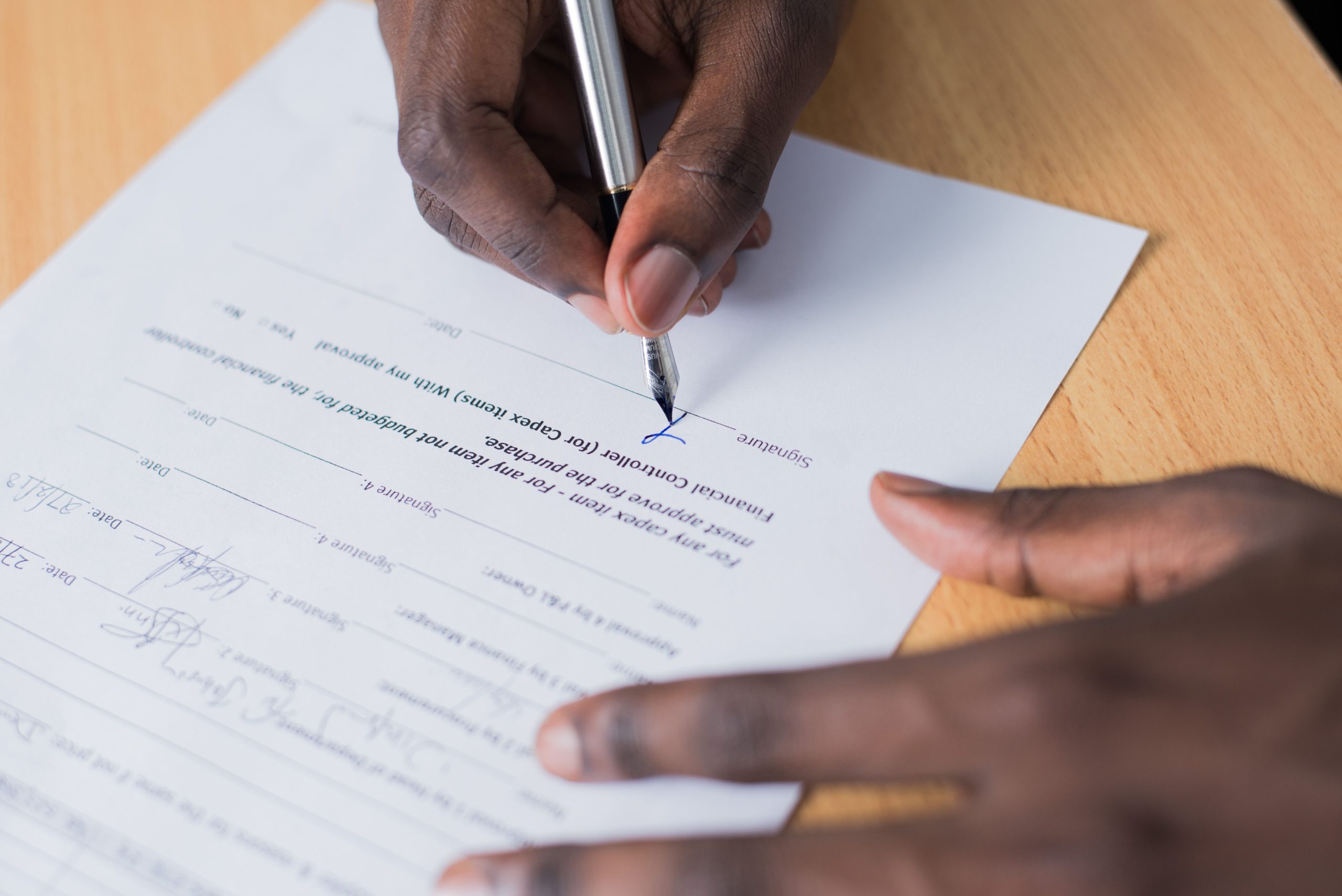
Can you contest a Will after probate? Learn when a Will may be challenged after probate in England & Wales, possible grounds, time limits and what to do next.
If you are asking “can you contest a Will after probate?”, the short answer is yes, it may still be possible to challenge a Will after probate has been granted. However, the position can be more complicated once probate has been granted, particularly if the estate has already been distributed.
The important point is that there is not one single time limit or procedure for every type of Will dispute. The appropriate route depends on why you believe the Will should be challenged. For example, a challenge to the validity of a Will is different from a claim for reasonable financial provision under the Inheritance (Provision for Family and dependents) Act 1975.
If you believe a Will is invalid, you may need to investigate issues such as lack of testamentary capacity, undue influence, fraud, lack of knowledge and approval, or improper execution. If you were financially dependent on the deceased or believe the Will failed to make reasonable financial provision for you, an Inheritance Act claim may be relevant.
This guide explains can you contest a Will after probate, what may happen if the estate has already been distributed, possible time limits, the evidence you may need and what to do next.
Can You Contest a Will After Probate?
Yes, you can contest a Will after probate in some circumstances.
Probate gives the personal representatives the legal authority to deal with the deceased person’s estate. GOV.UK explains that probate gives someone the legal right to deal with the deceased’s property, money and possessions.
However, obtaining probate does not necessarily mean that every possible dispute about the Will has been permanently resolved.
If you believe the Will is invalid, for example because the deceased lacked testamentary capacity when it was made, was subjected to undue influence, did not know or approve its contents, or the Will was not properly executed, there may be grounds for challenging it.
There may also be a separate claim where the issue is not whether the Will is valid, but whether the deceased made reasonable financial provision for someone who was dependent on them or otherwise falls within the categories protected by the Inheritance Act 1975.
The correct legal route depends on the circumstances.
Why is contesting a Will after probate more complicated?
Before probate is granted, certain steps can be taken to try to prevent the grant from being issued.
For example, a person with a dispute about a Will can potentially enter a caveat. GOV.UK explains that a caveat can be used where there is a dispute about matters such as whether a Will exists, whether a Will is legal or who is entitled to apply for probate.
A caveat is designed to stop a grant of probate from being issued while the dispute is dealt with. GOV.UK states that a caveat initially lasts for six months and can be extended.
Once probate has already been granted, however, you cannot simply enter a caveat to undo the grant.
That does not necessarily mean that your concerns are too late. It means the dispute needs to be considered using the appropriate procedure.
What Does Probate Mean?
Before considering can you contest a Will after probate, it helps to understand what probate actually does.
Probate is the process through which an executor obtains the legal authority needed to administer an estate.
Where there is a Will, the person named as executor will generally apply for a grant of probate. GOV.UK explains that the original Will is normally sent with the probate application and becomes a public record.
Once probate has been granted, the personal representatives can generally deal with the estate, including paying debts and distributing assets in accordance with the Will.
However, probate itself does not mean that every potential legal dispute has been investigated and resolved.
This distinction is important.
Probate is not the same thing as a court ruling that nobody can ever challenge the Will.
If you discover evidence after probate has been granted that suggests the Will may not be valid, you should not assume that you have automatically lost your opportunity to act.
Why Might Someone Contest a Will After Probate?
There are several reasons someone might want to contest a Will after probate.
The first step is identifying exactly what you believe went wrong.
1. Lack of Testamentary Capacity
A Will may potentially be challenged if there is evidence that the person who made it did not have the necessary mental capacity when they made it.
For example, concerns may arise where the deceased:
- had significant cognitive impairment;
- suffered from dementia;
- was seriously unwell;
- did not understand that they were making a Will;
- did not understand the broad effect of the Will;
- did not understand the property they were disposing of; or
- did not understand the people who might reasonably have expected to benefit from their estate.
Simply having a diagnosis or medical condition does not automatically invalidate a Will.
The question is whether the relevant legal requirements were satisfied when the Will was made.
Evidence such as medical records, witness statements and the solicitor’s Will file may therefore become important.
2. Undue Influence
Another potential reason to contest a Will after probate is suspected undue influence.
This can arise where someone believes the deceased was pressured or coerced into making a Will in a particular way.
A Will does not become invalid simply because another person influenced the deceased’s decisions.
There is an important difference between:
influence and undue influence.
People can legitimately discuss their wishes with family members, friends or advisers. The issue becomes more serious where there is evidence that the deceased’s free decision-making was overborne.
Potential evidence could include:
- communications between family members;
- changes made to previous Wills;
- evidence concerning the deceased’s vulnerability;
- witness evidence;
- financial circumstances;
- solicitor’s attendance notes; and
- the circumstances surrounding the preparation and signing of the Will.
3. Fraud or Forgery
A Will may also be challenged where there is evidence that it was forged or obtained through fraud.
This could involve questions about:
- the authenticity of the document;
- the deceased’s signature;
- the circumstances in which the Will was produced;
- suspicious alterations;
- the identity of witnesses; or
- whether someone misrepresented important information.
These allegations can be serious and require appropriate evidence.
4. Lack of Knowledge and Approval
A person making a Will must generally understand what they are signing and approve its contents.
If there are circumstances suggesting that the deceased did not know or approve the contents of the Will, this may need to be investigated.
This could become relevant where:
- the Will contains unusual provisions;
- the deceased had difficulty understanding the document;
- the Will was prepared in circumstances that raise concerns; or
- there are significant changes from previous testamentary wishes.
5. Improper Execution
A Will must satisfy legal requirements concerning how it is executed and witnessed.
If you suspect the Will was not properly signed or witnessed, this may provide a reason to investigate its validity.
The precise circumstances matter, so it is important not to assume that a technical concern automatically means the Will is invalid.
Can You Contest a Will After Probate If You Were Left Out?
Potentially, yes.
Being left out of a Will does not automatically mean you can overturn it.
However, if you were excluded and believe there was a legal problem with the Will, you may have grounds to challenge it.
For example, you might believe:
- the deceased lacked testamentary capacity;
- someone exerted undue influence;
- the Will was forged;
- the deceased did not know or approve its contents;
- the Will was not properly executed; or
- you were financially dependent on the deceased and the Will failed to make reasonable financial provision for you.
This is why being left out of a Will should be considered separately from the question of whether the Will itself is valid.
For more information, see our guide on Can I Contest a Will If I Was Left Out?
Can You Contest a Will After Probate Under the Inheritance Act 1975?
There is another important distinction.
Not every inheritance dispute involves trying to prove that the Will itself is invalid.
Under the Inheritance (Provision for Family and dependents) Act 1975, certain people may be able to apply for financial provision from an estate where the deceased’s Will, or the intestacy rules, did not make reasonable financial provision for them.
The legislation sets out a six-month time limit for an application under section 2, running from the date on which representation with respect to the estate is first taken out, although the court can give permission for a late application in appropriate circumstances.
This is one reason it is important not to wait if you believe you may have an inheritance claim.
An Inheritance Act claim is not necessarily the same as saying:
“The Will is invalid.”
Instead, the argument may be:
“The Will is valid, but it did not make reasonable financial provision for me.”
These are different legal issues and should not be confused.
How Long Do You Have to Contest a Will After Probate?
There is no single universal deadline for every type of Will challenge.
This is one of the most important points to understand when asking can you contest a Will after probate.
The relevant time limit can depend on the type of claim.
Inheritance Act claims
For an application under the Inheritance Act 1975, the legislation generally provides a six-month period from the date representation is first taken out, subject to the court’s power to permit a later application.
Challenges to the validity of a Will
Different considerations can apply where you are arguing that a Will is invalid.
There is therefore no safe rule that says:
“You always have six months to contest a Will.”
That statement would be misleading.
The appropriate deadline depends on the legal basis of the claim and the circumstances of the estate.
This is why getting advice promptly is important.
Can You Contest a Will After Probate If the Estate Has Already Been Distributed?
This can be more complicated, but the distribution of the estate does not automatically answer the question.
If assets have already been transferred to beneficiaries, there may be practical consequences for any successful challenge.
For example, the estate may have:
- been distributed between several beneficiaries;
- included property that has since been sold;
- involved money that has already been spent;
- included assets transferred to third parties; or
- been partially administered but not completely distributed.
The position will depend on the facts and the type of claim being made.
This is another reason not to delay simply because probate has already been granted.
The sooner the issue is investigated, the more opportunity there may be to identify where the estate stands and what assets remain.
What If Probate Has Been Granted But the Estate Has Not Been Distributed?
This may be an important stage at which to obtain legal advice.
If probate has been granted but the executor has not yet distributed the estate, there may still be an opportunity to address the dispute before assets are transferred.
The executor may need to consider the existence of a potential claim when administering the estate.
You should not assume that you can simply tell an executor to stop distributing the estate, however.
The appropriate action depends on the nature of the dispute and your legal position.
What If You Discover a Problem With the Will After Probate?
If you discover evidence suggesting that the Will may be invalid, start by preserving the evidence.
Useful information could include:
- copies of previous Wills;
- the latest Will;
- medical records;
- correspondence;
- emails;
- text messages;
- photographs;
- financial records;
- witness details;
- solicitor’s correspondence;
- information about the circumstances in which the Will was prepared; and
- details of the deceased’s relationship with the people who benefited.
You should also establish when probate was granted.
GOV.UK provides a service for searching probate records in England and Wales. A probate record can include a copy of the Will where one exists.
A copy of the Will and probate record can therefore be an important starting point when investigating a potential dispute.
What Evidence Do You Need to Contest a Will After Probate?
The evidence required depends on the reason for the challenge.
For a capacity dispute, relevant evidence could include medical records and evidence from people who knew the deceased around the time the Will was made.
For an undue influence allegation, evidence may focus on the relationship between the deceased and the person who allegedly influenced them and the circumstances surrounding the Will.
For a fraud or forgery allegation, documentary and witness evidence may be particularly important.
For an Inheritance Act claim, evidence may instead focus on your relationship with the deceased, financial circumstances, housing needs, income, expenses and the provision made by the estate.
The key question is not simply:
“Do I think the Will is unfair?”
It is:
“What legal basis do I have for challenging the Will or making a claim against the estate, and what evidence supports it?”
For more information, see:
Proving Your Case: The Essential Evidence for an Inheritance Act Claim.
Can You Contest a Will After Probate Without a Copy of the Will?
You should try to obtain the relevant Will and probate documents as soon as possible.
If probate has been granted, GOV.UK allows people to search probate records and order copies of probate records, including the Will where there is one.
The Will can help establish:
- who the beneficiaries are;
- who the executors are;
- whether previous beneficiaries were removed;
- whether there were significant changes;
- whether the document appears properly executed; and
- whether the terms raise questions that need investigating.
If you have concerns about being denied information, you may also want to read:
Are Beneficiaries Entitled to a Copy of the Will? UK 2026
Can You Contest a Will After Probate From Abroad?
Living outside the UK does not necessarily prevent someone from challenging an English or Welsh Will.
If you are an overseas beneficiary or family member, you may still have potential rights depending on the circumstances.
However, cross-border estates can involve additional practical and legal issues.
For example:
- where the deceased lived;
- where the assets are located;
- whether the Will concerns England and Wales;
- where beneficiaries live;
- whether there are foreign assets; and
- whether another country’s laws are relevant.
For more information, see:
Contesting a Will from Abroad: Can Non-UK Residents Challenge an English Estate?
What Happens When You Contest a Will After Probate?
The process depends on the type of dispute.
A solicitor may first investigate the circumstances surrounding the Will and the administration of the estate.
This could involve obtaining:
- the Will;
- previous Wills;
- probate records;
- medical evidence;
- solicitor’s files;
- witness evidence;
- estate accounts; and
- other relevant documents.
The parties may then be able to resolve the dispute through correspondence or negotiation.
Alternative dispute resolution, including mediation, may also be considered where appropriate.
If the dispute cannot be resolved, court proceedings may be necessary.
HM Courts & Tribunals Service provides a specific N2 form for a probate claim, described as a claim form for challenging a probate decision.
However, court proceedings can be complex and potentially expensive, so specialist legal advice should be obtained before taking formal action.
Can You Contest a Will After Probate Through a Caveat?
Generally, a caveat is a mechanism for stopping probate from being granted, so it is primarily relevant before probate has been issued.
GOV.UK states that a caveat stops applications for probate from being granted while it remains in force.
Therefore, if probate has already been granted, entering a caveat is not simply a way of reversing that grant.
If you are already past the probate stage, the appropriate legal route needs to be considered based on the nature of your dispute.
Can You Contest a Will After Probate If You Have No Evidence?
Having concerns about a Will is not the same as having evidence to support a legal challenge.
For example, you may feel that a Will is unfair because a parent left everything to one sibling rather than dividing the estate equally.
That alone does not necessarily mean the Will is invalid.
There needs to be a recognized legal basis for the challenge or claim.
Evidence is therefore extremely important.
If you have concerns but are unsure whether they amount to legal grounds, you can start by gathering the information available to you and obtaining advice about whether further evidence can be obtained.
No Win No Fee, Contest A Well Today
Frequently Asked Questions
Can you contest a Will after probate?
Yes. Probate does not automatically prevent every future challenge to a Will. However, the legal basis of the challenge and any applicable time limits must be considered.
Can you contest a Will after probate if you were left out?
Potentially. Being excluded from a Will does not automatically invalidate it, but you may have a potential claim depending on the circumstances and your relationship with the deceased.
How long do you have to contest a Will after probate?
There is no single deadline for every type of challenge. Different legal claims have different rules. For example, an Inheritance Act 1975 application generally has a six-month period from the date representation is first taken out, subject to the court’s power to permit a late application.
Can you contest a Will after probate if the estate has already been distributed?
Potentially, but the situation can become more complicated. The type of claim and what happened to the estate will need to be considered.
Can you contest a Will after probate because of undue influence?
Potentially, if there is sufficient evidence to establish a legally recognized basis for the challenge. Evidence concerning the deceased’s vulnerability, relationships and the circumstances surrounding the Will may be relevant.
Can you contest a Will after probate because the deceased had dementia?
A diagnosis of dementia does not automatically invalidate a Will. The relevant question is whether the deceased had the necessary testamentary capacity when the Will was made.
Can you contest a Will after probate from outside the UK?
Potentially. Living abroad does not automatically prevent someone from bringing a claim concerning an English or Welsh estate, although cross-border issues may make the matter more complicated.
Can you stop probate after it has already been granted?
A caveat is designed to stop a grant of probate before it is issued. GOV.UK explains that a caveat prevents a grant from being issued while it remains in force. If probate has already been granted, a different legal route may be required.
Do I need a solicitor to contest a Will after probate?
You are not necessarily required to instruct a solicitor in every situation, but contested probate and inheritance disputes can involve complex evidence, procedures and deadlines. Specialist legal advice can help you understand whether you have a viable claim and what steps should be taken.
Helpful Official Resources
For official information about probate and Will records, you can use the GOV.UK probate service to search for probate records and order copies of probate documents, including a Will where one is included in the record.
GOV.UK – Search probate records for Wills and probate documents
For information about challenging a probate application before the grant is issued:
GOV.UK – Challenge someone else’s probate application
For the statutory framework governing claims under the Inheritance (Provision for Family and dependents) Act 1975:
Legislation.gov.uk – Inheritance (Provision for Family and dependents) Act 1975